Blog / Vehicle Maintenance

Blog

All Vehicle Maintenance Wakefield Mazda Dealer Wakefield Mazda Service Vehicle Safety Things to do in Wakefield Fun places in Rhode Island Mazda CX-5 Mazda3 Things to do near Wakefield Mazda CX-9 Vehicle Advice Restaurants near Wakefield Vehicle Financing Mazda CX-30 Mazda Miata Mazda6 Mazda CX-3 Mazda MX-5 Miata New Mazda3 near Wakefield Mazda3 Hatchback New Mazda6 in Wakefield Family activities New Mazda Miata MX-5 in Wakefield RI
Mazda Service Special

5 Reasons to Stay Current With Your Mazda Service Schedule

Maintenance and regular service are the main pillars that will allow you to keep your vehicle performing at its absolute best. There are many reasons why it is so important that you maintain a regular Mazda service schedule. Here are the five key ones: more 1. Costs Savings Sometimes, people delay their vehicle service to save some money. However, this can have far-reaching consequences that will only make you spend more money in the long term. This is because small issues that could have been spotted during your regular service evolve and become major issues. For example, your brake pads might start to deteriorate. This is normal, and they can be replaced well before any damage reaches the brake discs. However, if you wait too long, the discs get damaged, and replacing them can be very expensive. 2. Engine Protection Your engine is the heart of your vehicle and regular maintenance ensures it is protected and functioning as it should be. When you bring your vehicle in, we take a look at your oil to see if it's clean, sufficient, or if it's time for a top-off or oil change. This is very important because dirty oil becomes thicker than usual, and it can produce clogging, which leads your engine to overstrain. This can end up in engine failure, which is not only expensive but potentially dangerous if you get stranded in the middle of nowhere. 3. Accident Prevention There are many systems that work in tandem to make your vehicle the superb machine that it is. During your scheduled service, we make sure all of these systems are working as they should be. This includes the brake system, the engine, the coolant system, and more. Plus, your tires are another essential part of your ride. They need to be in an optimal state to guarantee your safety and that of everyone inside the vehicle. We take a look at the tread of your tires and perform tire rotation to help you make them last for as long as possible. 4. Failure Protection As mentioned before, getting stranded is one of the worst outcomes of engine failure. However, this is not the only cause of car failure as different systems can fail without proper maintenance. For example, if your battery is too old, your vehicle might simply not start one day. At the dealer, we can check your battery and service it when needed. We want to help you avoid any issues while you are out on the road. 5. Preserving Your Vehicle's Value A well-maintained vehicle is a vehicle that will preserve most of its value. This is very important because you want to make sure you can get a good sum when it's time to say goodbye to your current ride. From keeping your vehicle's value to ensuring your safety and that of your loved ones, there are many benefits from following the service schedule your vehicle needs. Visit Flood Mazda and make an appointment with us right now!
_Items_That_Should_Be_in_Every_Drivers_Car_Tool_Kit_637606538614777679

11 Items That Should Be in Every Driver's Car Tool Kit

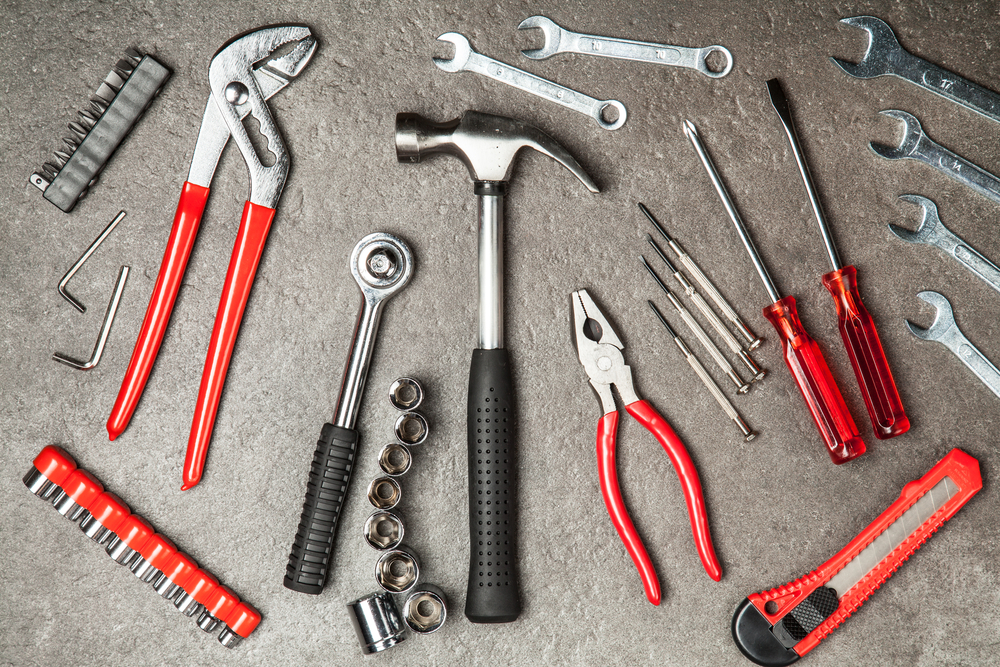
New car owners can find it daunting to think of doing their own car maintenance and repairs. However, it doesn't have to be a stressful process if you are adequately prepared. Keep reading to gain an understanding of the items that should be in your car tool kit! more 1. Socket Set You'll want to make sure your tool kit is outfitted with a sturdy, fully stocked socket set. Ensure that your socket set has sockets sized from at least 6mm to 19mm, a ratchet, an extender, and a hex (Allen) key. 2. Wire Cutters and Pliers Any electrical project on your vehicle will require pliers and wire cutters. So whether you are rewiring headlights or installing a new stereo system, you'll be glad you have these two handy tools available. 3. Wrench Set It's hard to get anything accomplished without a wrench set. Choosing wrenches with an open-ended side as well as a ratcheting side will make any task easier to complete, as you will not have to remove the wrench between turns. 4. Screwdrivers You may have a screwdriver or two already floating around your junk drawer. However, you'll want to make sure you have a variety of shapes and sizes easily accessible during your mechanical adventures. 5. Torque Wrench A torque wrench is a critical piece to have in your toolbox. This specialized ratchet is used to set nuts to the proper tightness. Using a torque wrench prevents damage to the bolt, prevents slippage, and makes it easier to remove the nut in the future. 6. Breaker Bar A breaker bar is a long-handled ratchet used to remove nuts and bolts. Those nuts you just tightened with your torque wrench? You'll need a breaker bar to remove them. 7. Impact Wrench An impact wrench is an optional tool you can have in your arsenal. This high-powered tool provides you with electric torque to replace or remove lug nuts quickly and easily. If you have arthritis in your hands or worry that you may have difficulty applying enough power to a standard wrench, an impact wrench can make working on your vehicle much more comfortable. 8. Rubber Mallet A rubber mallet is one of those tools you don't think about until you need one. A rubber mallet can get you through some sticky situations, from removing stuck bolts to straightening out bumpers. 9. Floor Jacks or Ramps If you plan on getting under your car to do repairs, having a way to elevate it is vital. If you are new to car maintenance, we recommend using ramps as they are safer. 10. Jack Stands Never lift your car on a jack or ramp without jack stands in use. Jack stands keep your ramp or jack from slipping or shifting while you are working beneath the vehicle. 11. Factory Service Manual One of the best ways to become comfortable with the inner workings of your engine is to read the factory service manual. This manual allows you to study how to do repairs and general services on your vehicle without worrying if you are receiving the correct information. A well-stocked tool kit allows you to feel prepared to handle the minor issues that are a normal part of car ownership. However, if you need professional help with your automobile, you are not alone! Give us a call at Flood Mazda and let our service center get you back on the road!

Synthetic_Oil_vs_Conventional_Oil_Whats_the_Difference_637614063489784351

Synthetic Oil vs Conventional Oil: What's the Difference?

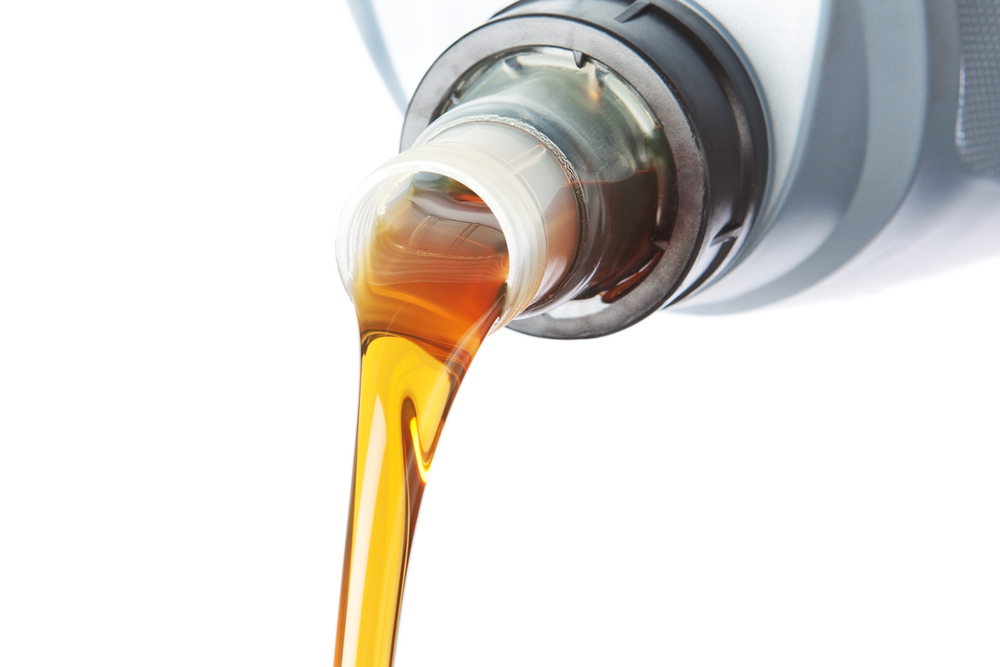
If it seems difficult to get a clear answer on synthetic oil vs conventional, you are not alone. Mechanics and auto parts stores seem to cloud their explanations in technical language and “consult your manual” caveats. There's the confusing part about synthetic oil being petroleum-based. How is that synthetic? Then we cringe at the price difference. more It is true both synthetic and conventional oil are petroleum at their core. Conventional oil is mixed with additives that keep the oil's viscosity consistent at temperature extremes. It stays thin when it's cold so your engine starts smoothly. It stays thick at high temperatures to properly lubricate your running engine. Synthetics are chemically engineered instead of blended with additives. This creates oil with very different properties. Synthetic's Major Advantage: Longevity The first major advantage synthetics have over conventional motor oils is lifespan. The additives in conventional oil break down in the intense heat and pressures of an engine, requiring they be replaced every 5,000 miles. Some synthetics can last as long as 20,000 miles between changes. (This varies by brand and vehicle, so check your manual.) Oil's secondary function is cleaning your engine. Even though synthetics retain viscosity past 20,000 miles, they become too dirty to be effective. Is Synthetic Motor Oil Better for My Engine? Independent reviews (including one by Consumer Reports) say yes. Synthetic oil provides better engine protection and performance. Synthetics can be engineered for the closer tolerances of modern high-performance engines. Additionally, the higher-quality synthetic production process eliminates impurities that are accepted in traditional oils. Synthetics are also less prone to engine-damaging oxidation and acidification. Some High-Performance Vehicles Require Synthetics Time to consult your vehicle's manual and/or your dealership's service technicians. Numerous car manufactures have designed high-performance engines specifically to take advantage of synthetic oil's higher tolerances. This is especially true for turbocharged engines, which tend to run at higher temperatures that quickly destroy conventional oils. Why Does Conventional Oil Still Exist? With so many synthetic advantages, it's natural to wonder why conventional oil still exists. Synthetics last longer, protect your engine better, and run cleaner than conventional oil. And when you add the cost of four 5,000-mile conventional oil changes to a single 20,000-mile synthetic oil change, the price seems the same. Just about the only reason to stick with conventional oil is that many older engines don't really gain an advantage from synthetics, so there's no reason for owners of these cars to spend more on synthetic. If you are considering synthetic oil for your vehicle, ask your service center technicians. Synthetics can vary widely between different producers. Your vehicle's manufacturer will have specific recommendations for you. They will also factor in the climate and season where you are driving, as well as your personal driving style. The right oil is a major factor in the longevity and resale value of your car. Contact Flood Mazda today to get advice from experts on which oil is best.

How_to_Check_Your_Tire_Pressure_in_6_Easy_Steps_637596041994221655

How to Check Tire Pressure in 6 Easy Steps

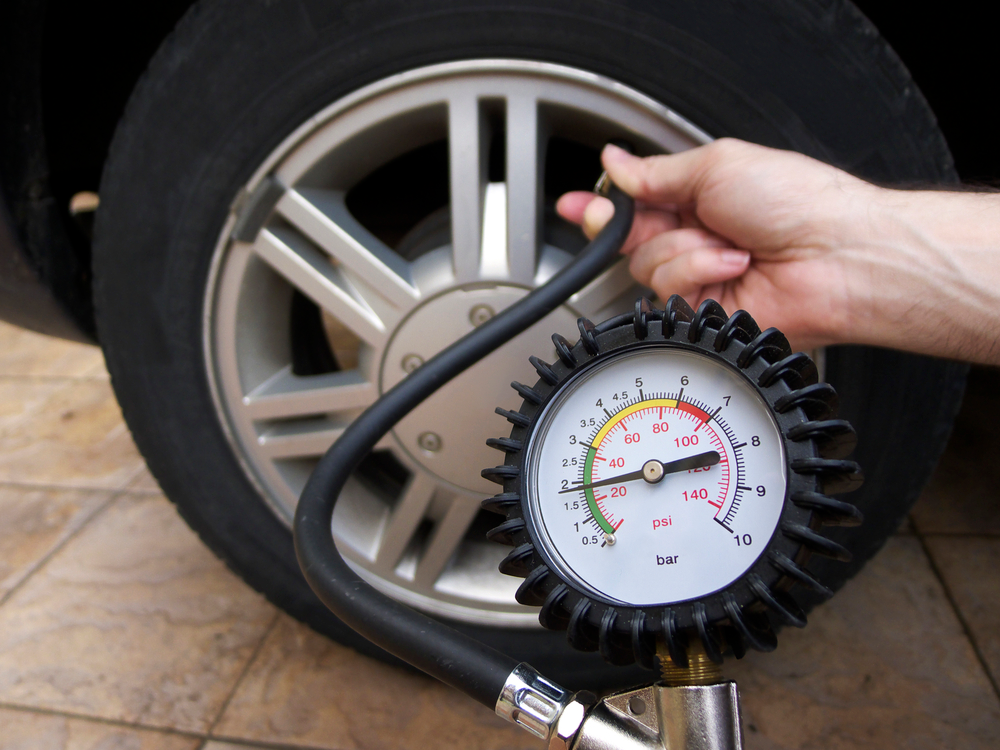
Maintaining proper tire inflation is essential to the overall performance of your vehicle. Properly inflated tires provide a longer lifespan, quicker steering response, optimum fuel efficiency, and a more balanced ride than tires that are not adequately maintained. The best, and easiest, way to get the most out of your tires is to know how to check tire pressure. more 1. Gather Your Tools The items you will need to adequately check your tire pressure is a tire pressure gauge, air compressor, and a pen and paper. If you do not own an air compressor, the one found at most gas stations is more than capable of getting the job done. 2. Let Your Tires Cool Off PSI (pounds per square inch of pressure) is specified by vehicle manufacturers based on cold tires. When the car has been parked and turned off for three or more hours, then the tires are considered cold. Alternatively, if the vehicle has been driven at a moderate speed for less than a mile, then the tires are also considered cold at this stage. 3. Check the Recommended PSI for Your Vehicle Mazda vehicles all have varying PSI due to the size of the vehicle and the type of tires being used. Check your owner's manual for the PSI that is recommended for your vehicle's tires. If you cannot find the information you need, do not hesitate to call us and let us look it up for you. 4. Write Down the Recommended PSI Use your pen and paper to write down your findings of the recommended PSI levels. We recommend writing these on a separate sheet of paper from your owner's manual so you can use this paper to compare and write down the current values of each tire. 5. Use Your Gauge to Check the Tire Pressure Unscrew and remove the valve cap from one tire. Place the pressure gauge down on the valve stem and press it down hard enough to stop the hissing sound. Your gauge will provide a reading. Write down the reading and compare it to the recommended value. Repeat for all four tires. 6. Fill the Tire to the Recommended PSI If any tires are showing low readings, fill those tires with an air compressor by placing the end of the hose over the valve stem, then press on the lever. Check the PSI again once you have filled the tire. If you have overfilled, simply let some of the air back out. Overinflated tires can decrease traction, decrease impact absorption, and cause premature wear. Tire pressure gauge accuracy matters. If you feel that your gauge is possibly giving you an inaccurate reading, come to Flood Mazda today and let us double-check your tires and help get you the right gauge for the job. If you encounter an issue at any time, our team of expert technicians can check your tires, patch them, or replace them when needed.

5_Signs_You_Need_to_Replace_Your_Car_Air_Filter_637592483459457835

5 Signs You Need to Replace Your Car Air Filter

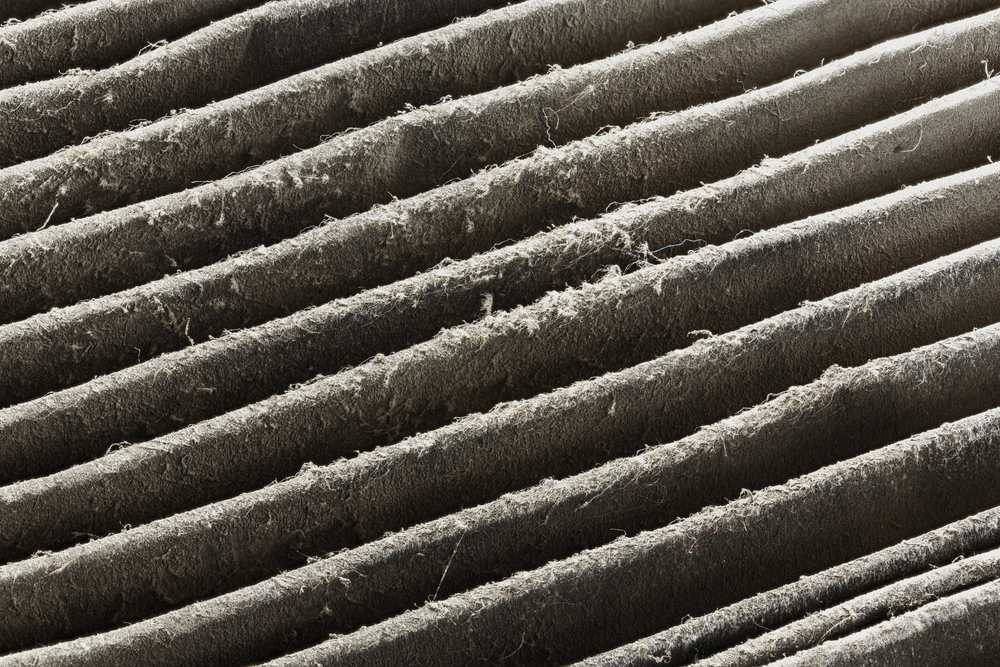
With restrictions vanishing, more Mazda drivers are taking their cars out into the open air. But don't forget that your vehicle needs air too, and a dirty car air filter deprives it of that. If you can't remember when you last changed your filter, here are five tips to determine if it's time to. more 1. Your Owner's Manual Calls for a Filter Replacement A vehicle's Owner's Manual is one of the most valuable yet underutilized assets a vehicle owner has. Your manual contains a maintenance schedule for your Mazda that covers all the service intervals your car requires. Record your vehicle's odometer miles in the manual's service chart whenever you complete the respective service. Then your manual can help you keep track of when future services due. 2. Your Air Filter is Dirty If you need to know the condition of your current filter, you can remove it and visually inspect it. Your car's air filter is easily accessible, and in most cases, you can get to it with little or no tools. Once you retrieve your air filter, hold it up to a bright light source. If you can see the light from the other side of the filter, your filter is still useable. However, if you see little or no light from the other side of the filter, it's time to change it. 3. You're Experiencing Poor Performance Issues If your car filter gets significantly obstructed, you will feel, see, and hear it in your car's performance. A clogged filter deprives your vehicle of the air it needs to make combustion in the engine. As a result, your vehicle will lose horsepower, acceleration and will run roughly. The longer the filter remains in the car, the worse the symptoms will become. Eventually, the vehicle will struggle to accelerate and even start. In extreme cases, it will begin to backfire; you may see black smoke exit your tailpipe. If it gets bad enough, you may no longer be able to get your Mazda to start at all. 4. The Check Engine Light Illuminates When your air filter gets sufficiently clogged, it will cause your check engine light to illuminate on your dashboard. There are no specific indicators for a dirty air filter, but an expert mechanic can quickly troubleshoot the problem. However, if you're confident it's the filter, and you know your way around the engine, you could always change it yourself. 5. You Smell Fuel Inside the Vehicle When the Engine Runs The smell of fuel inside the vehicle results from the clogged air filter blocking air from the engine. This condition prevents all the gasoline from burning up in the combustion chamber of the motor. Instead, the unburned fuel passes through the exhaust system under the vehicle, which is what you smell. When you want to get service done right on your Mazda, visit us at Flood Mazda. Our knowledgeable technicians will take care of all your maintenance needs, no matter how big or small.

4_Reasons_to_Get_Your_Mazda_Maintenance_at_an_Official_Dealership_637594582553856742

4 Reasons to Get Your Mazda Maintenance at an Official Dealership

Do you want to make sure that your Mazda lasts for years to come? Here are a few reasons why you should bring your car to your dealer for regular Mazda maintenance. more 1. Service Will Be Fast You can consider bringing your car to an independent mechanic next time it needs maintenance. But if you do, you may not get your car back very quickly. Independent mechanics tend to work a little slower than dealerships do, and you might not be able to get your car back for a day or two. But if you go to your local dealer and the maintenance your car needs is relatively minor, you can expect to get it back quickly. Most of the time, you won't need to wait longer than a couple of hours. 2. You'll Get Expert Advice While the staff at an independent mechanic know how your car works generally, they may not have the brand-specific advice that you're looking for. This is because they work with a huge variety of brands. But the mechanics at your local dealership work specifically with Mazda vehicles. They know all the ins and outs of your car, even before you bring it in! They'll know exactly what to look for while they're working on your car's maintenance. And if you have any questions relating to the brand, they'll be able to answer them. 3. Your Car Will Be Safer Mazdas are safe vehicles. But if you want to keep it that way, then you should be keeping up with its regular maintenance. As you drive, aspects of your vehicle may begin to wear down. This can cause problems don't the road and may even put you in danger. When you bring your car to your dealership for regular maintenance, the mechanics will make sure that things like your brakes, headlights, and belts, and hoses are all in good shape, and will fix them if they aren't. The mechanics will also be able to take a look at your car's safety software to make sure that's working properly too. 4. You'll Save Money Many drivers believe that regular maintenance is just another expense that they don't need. But if you don't keep up with your car's regular maintenance and something happens to it, then you may find yourself facing some pretty costly repairs. The best way to handle this is the stay proactive. Visiting your local dealership for regular servicing and maintenance will prevent issues like this from coming up in the first place. In the end, you're going to save a lot of money. You love your Mazda, and if you want it to stay in good shape for a long time to come, then regular maintenance is crucial. And if you want to make sure that you're getting the best maintenance possible, then you should head straight to your dealership. Visit us today at Flood Mazda and trust that your car is in good hands.

What_Services_Do_You_Get_With_a_Standard_Mazda_Oil_Change_637587330925188158

What Services Do You Get With a Standard Mazda Oil Change?

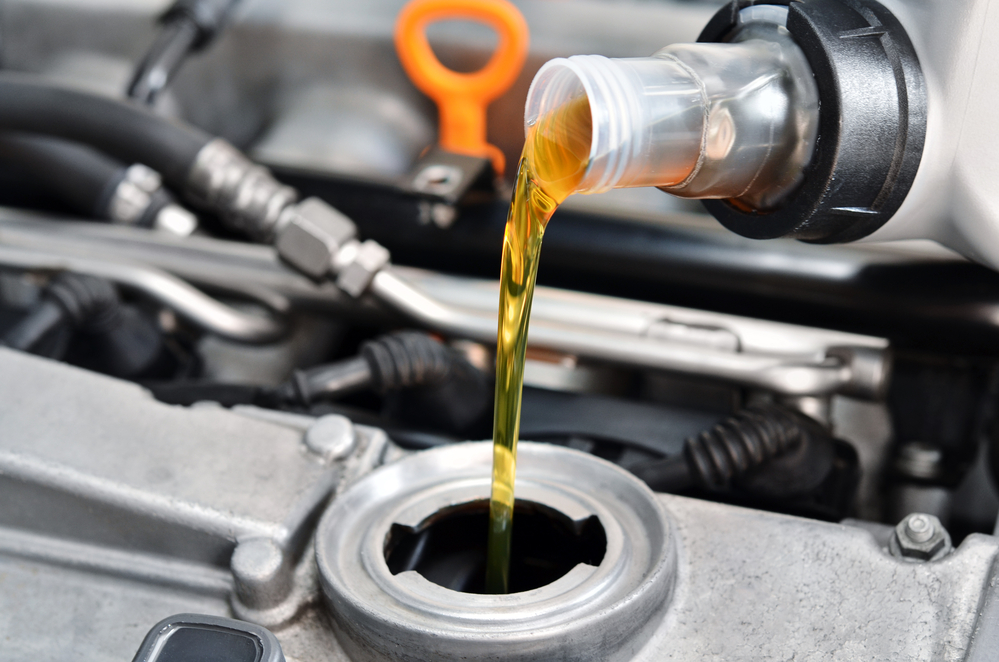
Here at Flood Mazda, your vehicle is our priority, no matter why you bring it to our service center. Even if you're just stopping in for something as routine and basic as a Mazda oil change, we strive to go above and beyond to give your vehicle all-star treatment. When you get an oil change with us, it's a deluxe package designed to help keep your car healthy and extend its longevity over time. Here's what you get with every oil change at our dealership: more A Custom Mazda Oil Change We use the right oil for your specific car. We have full synthetic, conventional, synthetic blend, and high mileage options, and our service technicians are well-versed in which types of oil to use for which makes and models. Additionally, we match your vehicle with the oil that's best for it based on factors like mileage and driving conditions. We also replace your vehicle's oil filter each and every time you get an oil change with us. This helps prevent unnecessary damage to your engine due to dirt buildup and clogs in an old filter. If you're worried about the carbon footprint of your oil change, rest assured that we properly dispose of both your car's oil filter and its used oil in a way that has a minimal environmental impact. Free Inspection When you get an oil change with us, you also get a complimentary inspection of some of your car's basic and essential parts. Our inspection includes checking your car's taillights, brake lights, and headlights. We also assess the state of your cabin filters, air filters, tires, belts, hoses, steering, undercarriage, and skid plates. Additionally, we perform a suspension test to make sure your car's suspension isn't experiencing any problems. Our oil change package also includes checking your tire pressure levels and filling your tires up with extra air as needed. A finishing touch of our free inspection is to refill or top off your windshield wiper fluid and examine the condition of your windshield wipers. Based on the overall results of our inspection, we'll provide recommendations to you about issues you may want to address to help keep your car functioning at its best. Fluid Level Assessment Our oil changes also include fluid level checks. Topping off your vehicle's fluids helps keep it running like a champ on the road. Without adequate fluid levels, your car is at risk for damage or premature deterioration. During our oil changes, we check the levels of your power steering fluid, transmission fluid, coolant, and brake fluid. In the event that we detect a leak that might be draining your fluid levels, we'll provide recommendations with possible repair options about how to address the issue. Schedule an oil change with Flood Mazda today! At our dealership, when you pay for an oil change, you also receive a complimentary inspection and the special attention your car deserves. Our highly qualified service technicians are standing by to offer you a fast and superior oil change!

5_Signs_Your_Car_Cooling_System_Needs_Repair_637584151115362767

5 Signs Your Car Cooling System Needs Repair From Your Mazda Dealer

Your car cooling system consists of a number of parts that include the cooling fan, radiator, water pump, thermostat, and a series of hoses. This intricate system has the huge job of regulating the operating temperature of your engine to ensure that, essentially, it doesn't melt itself. If you begin to notice any of these signs that your cooling system may be in trouble, it's time to let your Mazda dealer take a look. more 1. Visible Coolant Leak Coolant is often a bright color and easily spotted under your car. Typically bright green, pink, or orange, coolant is a sweet-smelling liquid that, when it leaks, will puddle under your vehicle. If you discover this puddle, then you have discovered a coolant leak. A leak will cause low levels of coolant, which is a top contributor to issues of overheating. 2. White Exhaust Smoke The presence of excessive amounts of white exhaust smoke is indicative of a cooling system problem. Often, this can be a sign that the coolant is leaking, just not under your car. White exhaust smoke usually means that the leak is happening in the combustion chamber, which is a major issue that needs immediate service. 3. Low Coolant Levels It is possible to spot a leak before it ends up in a puddle under your car or manifesting as white exhaust smoke. If you make it a habit to check your coolant levels regularly, you will immediately notice if your levels are less than ideal, potentially catching a small issue before it becomes a large one. Coolant does not burn off like engine oil, so there should be no reason for low levels or to need to top-up regularly. 4. Rising Temperature Gauge Perhaps one of the first and most obvious signs that there is a problem with your cooling system is if the needle in the temperature gauge begins to rise. This feature built into your dashboard is designed to keep you constantly aware of the engine's temperature status so you can recognize immediately if you need to pull over and let the car cool off. 5. Overheating If the temperature gauge is not working properly or if you've missed the reading altogether, then the next problem that you may encounter is white steam. White steam pouring out from under the hood is a surefire sign of overheating, so turn your car off as soon as it is safe to do so, then bring it in for service. If there were to be a malfunction or failure of any part of the cooling system, then your car's engine temperature would quickly rise, potentially heading for destruction. Overheating can cause serious engine damage, so having it serviced immediately is critical in order to minimize the lasting effects. Call or stop by Flood Mazda today to schedule professional cooling system repair, or to just have us take a look if you are concerned about any other part of your vehicle.

3_Reasons_to_Get_an_Engine_Diagnostic_637588293765684277

3 Reasons to Get an Engine Diagnostic

As a Mazda owner, you're proud of your high-quality vehicle, and you want to make sure that it runs well for years to come. An important way to keep your car in good shape is to get an engine diagnostic at your local Mazda dealer. You should do this whenever the check engine light is on, you notice changes to your vehicle, or you haven't done so in over a year. Read on to find out how such a test could help you. more 1. The Check Engine Light is On The easiest way to tell that there may be a problem with your car is if the check engine light is on. This indicates that something isn't quite right, and you need to visit your local dealership to have the issue examined and fixed. Most commonly, there could be a problem with your oxygen sensor, mass airflow sensor, or spark plugs. Sometimes, the light may also go on if you haven't screwed your gas cap on correctly or if your catalytic converter is faulty. No matter what the problem is, you should have it checked out because a defective engine can be dangerous for you and your passengers. 2. Something Feels 'Off' Even if your check engine light isn't on, you may need to have a diagnostic test if the way your car runs has changed. Any bad smells or sounds could indicate an issue, and your local Mazda mechanic is the best person to fix this. For example, we will be able to tell if a foul smell is due to a problem with your catalytic converter or the fuel filters. To make sure your driving experience is safe and you don't experience larger issues later on, stay alert while driving and take note of changes in the way your vehicle functions. No matter how new or old the car is, keeping on top of small repairs can save you a lot of money and hassle later on. 3. You Haven't Been to Your Mazda Dealer in Over a Year Even if your car is perfectly functional and you haven't noticed any issues, getting a diagnostic test for your engine every year is a good idea. You could ask your mechanic to do this for you while you're getting your annual service, or you could stop by for a separate appointment. With a diagnostic, we'll be able to find any potential issues and prevent them from causing damage to your car's engine. Generally speaking, the earlier we catch a problem, the more fixable it is. That's why it's much better to get your engine diagnosed before any issues even crop up. Having proof of a regular diagnostic test can also help you to show that your car has been maintained according to the manufacturer's guidelines. If you'd ever like to sell it in the future, you may be able to raise the price for this reason. To keep your car running well, get your engine diagnosed when your check engine light is on, you notice changes in the smell and sound of the car, or you haven't had a diagnostic in more than 12 months. Schedule your service appointment at Flood Mazda in Wakefield, RI to take advantage of our dedicated mechanics' experience. We can fix any engine issues quickly and competently.

How_Often_Should_You_Get_a_Mazda_Oil_Change_637577018671075025

How Often Should You Get a Mazda Oil Change?

Getting a Mazda oil change on time will ensure your Mazda continues to run smoothly. Neglecting to change your oil on time can lead to decreased engine performance and increased wear and tear. It can also reduce the lifespan of your vehicle. However, how often do you really need to change the oil in your Mazda? more A Good Rule of Thumb: Get a Mazda Oil Change Every 3,000 Miles As a general rule, you should try to get an oil change every 3,000 miles. However, the synthetic oil motors used nowadays are often cleaner and more efficient, leading to less buildup and corrosion. As such, your Mazda may last up to 7,500 miles or even more between each oil change. If you don't drive your car much, a good rule of thumb is to change your Mazda's oil every 3 months or so. An oil change every few months will help keep your vehicle running smoothly, even if you haven't reached 3,000 miles. Check Your Owner's Manual While 3,000 miles is a good rule of thumb, the truth is that every Mazda model will require an oil change at slightly different intervals. Review your owner's manual to see how often you should change your car's oil. If you can't find your owner's manual, see if a manual is posted online or call your car dealership. If you still can't figure it out, default to the 3,000-mile or 3-month rule. Signs Your Mazda Needs an Oil Change If you haven't been keeping track of how many miles or months it has been since your last oil change, watch out for these sure signs that your Mazda needs an oil change. Your Oil Is Dark and Grimy New oil should be somewhat transparent. If you can't see your oil dipstick through the oil, it might be time for an oil change. Oil color is not always a reliable indicator of whether it's time for an oil change, so also check the oil texture for grime and dirt. Your Engine Makes Strange Noises If your engine is making a lot of noise, it might need new oil. The oil acts as a lubricant to help your engine working smoothly. The noise you're hearing might be from engine parts knocking against each other. Your Check Engine or Service Maintenance Reminder Light Is On Depending on the model you have, you may see your service maintenance reminder or check the engine light when it's time for an oil change. A check engine light can come on due to various factors, but it may be telling you to change your oil. Your Car Is Vibrating Proper oil lubrication helps the motor and all of its parts work smoothly. If the motor is not properly lubricated, it may shake and tremble. It may even feel like your car is vibrating. Getting your Mazda's oil changed regularly will improve ride performance and increase the lifespan of your vehicle. Visit Flood Mazda to schedule a service or learn more about oil changes today.

How_to_Check_the_Oil_Levels_in_Your_Car_637533055468918732

How to Check the Oil Levels in Your Car

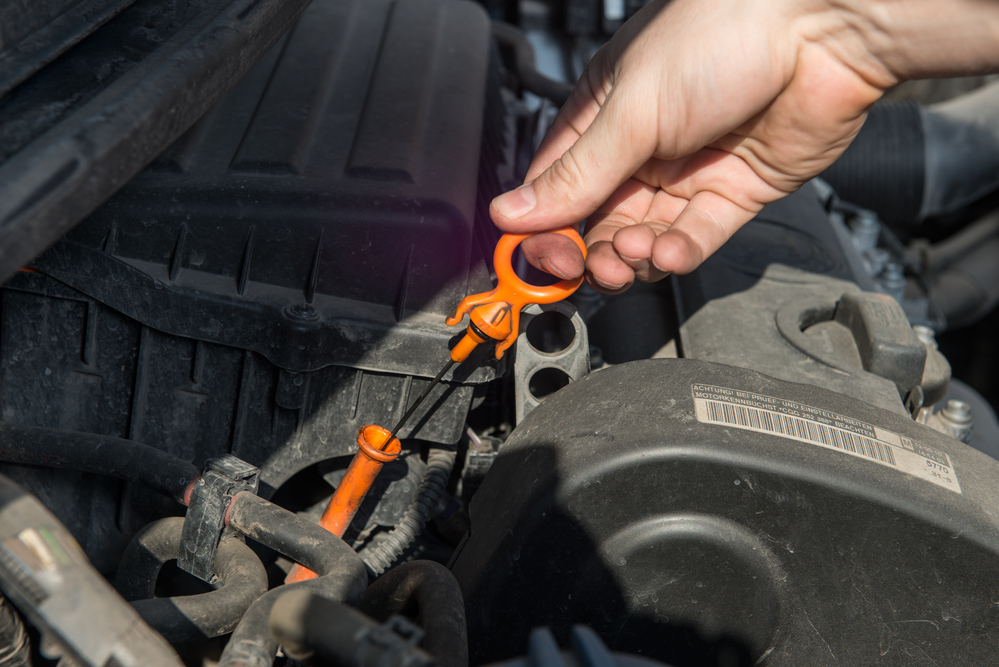
A great way to know when the oil in your car needs to be changed is to check it every time you fill your tank up with gas. If the oil is dirty or low, you should get your car into a service center for an oil change. However, you have to know how to check oil levels in your car so you know when it's time for service. more Step 1: Ensure Your Car Is on Level Ground Your car needs to be on level ground so that you get an accurate oil level reading. If your car is tilted uphill or downhill, your reading will be skewed and you won't know if your engine needs more oil or not. When you're on level ground, the oil in its tank will also be level, giving you a decent idea of how much oil you currently have in your car. Step 2: Open Your Car's Hood and Locate the Dipstick The engine oil compartment is located under the hood of your car, near the engine. You're looking for a loop or grip that's attached to a long, metal strip that resembles a skewer. The loop or grip will usually be stamped "oil" or it will be inserted in a tank that is marked as "oil." If you aren't able to find the dipstick just by looking, grab your owner's manual, which will show you where it's located. Step 3: Pull Out the Dipstick and Wipe it Clean You need to have a clean dipstick to make sure your oil level reading is accurate. So, begin by pulling the dipstick out of the oil reservoir and wiping it clean with a cloth or towel. Typically, gas stations have towels handy right near the pumps, and they are fine to use for this purpose. Step 4: Reinsert the Dipstick, Then Extract it Again Put the dipstick back into the hole that leads to the oil reservoir and let it sit for a few seconds. Remove the dipstick again, check the color, and read the level. The Appropriate Oil Level Every oil dipstick in every vehicle is marked at the end with oil level indicators to let you know if your car needs more oil or if it's full enough. There will be marks that indicate if your oil is full, down a quart, or down two quarts. If the oil hits either of the two lower marks, you'll want to add oil to your car (either one or two quarts, depending on your reading). If there is no oil on the dipstick, get your car in for service immediately, as this is an indication that your car needs at least three quarts of oil. Since cars typically only take four quarts of oil, running on one quart or less is extremely dangerous. The Appropriate Color of Oil Clean oil is amber in color and will appear translucent on the dipstick. If your oil is dirty, it will be dark brown or black, and you won't be able to see through it to the dipstick. This means you need an oil change as soon as possible. Learning to check your car's oil is an important skill all drivers should have. Once you check it, if you need more oil or an oil change, bring your car in for service sooner rather than later. Contact Flood Mazda for an oil change appointment today.

Warning_Signs_That_You_May_Need_an_Alternator_Repair_637516607028161050

Warning Signs That You May Need an Alternator Repair

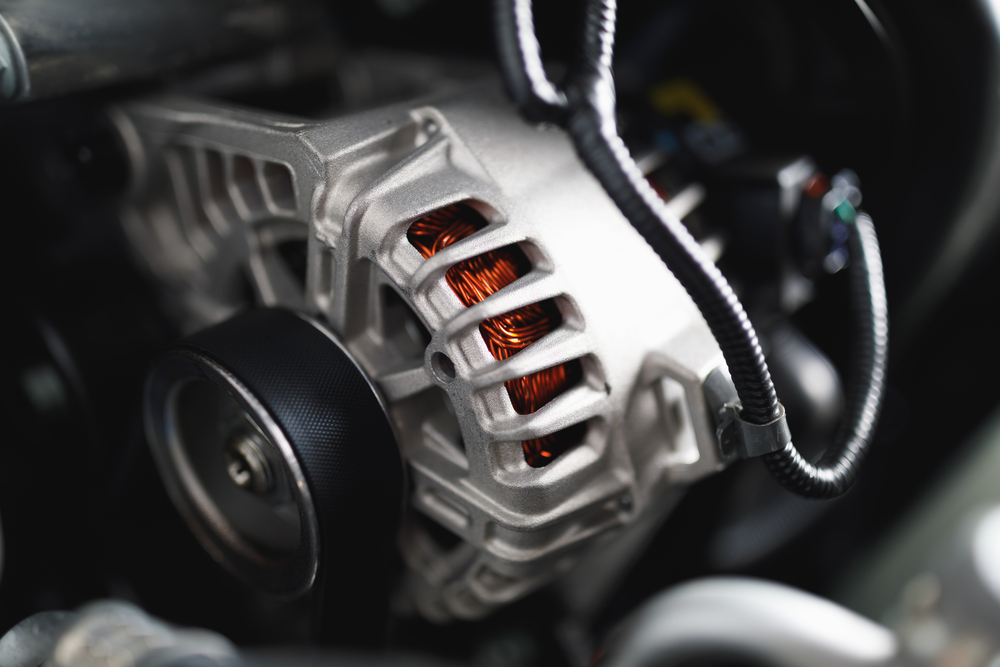
The alternator is quite a simple component in your car, but it plays a very complex and crucial role. It transforms energy from the crankshaft into electrical power to charge the car's battery and power up the many electrical systems throughout the vehicle. This guide will explain the importance of getting prompt alternator repair when something is wrong, as well as covering some of the most common signs that your alternator may be broken. more The Importance of Timely Alternator Repair When the alternator starts to struggle, it's absolutely vital for car owners to seek repairs as quickly as possible. If you wait too long, a range of issues can arise. Your battery might completely give out, for example, leaving your car completely unusable, or you could find yourself in a dangerous situation out on the roads if your headlights suddenly stop working. Keep an eye out for the following warning signs to easily identify alternator issues. Warning Lights Many modern vehicles have an array of warning lights on the dashboard which illuminate automatically when the car detects a problem with one of its components. There's usually a light specifically designated for alternator issues, so if you see the letters 'ALT' (alternator) or 'GEN' (generator) light up, you'll know that something is wrong. Stalling and Struggling to Start The alternator plays an important role in getting your car started. It provides energy to the spark plugs which help to ignite the fuel inside your engine. So, when the alternator starts to falter or fail, getting the engine fired up can be much more difficult, leading to slow starts and random stalls. Odd Sounds Cars can make all kinds of random sounds, and they don't all mean that something is broken. However, if you notice some new rattles or even a kind of growling or whining sound, the alternator could be to blame. Bad Smells As well as sounding a little strange, your car might also start to smell slightly odd when the alternator begins to fail. Many drivers report the smell of burning rubber before their alternators break down, and this is usually caused by the rubber belt of the alternator itself overheating and burning away. Weak Headlights You rely on your headlights to help you see and be seen while driving in dark or difficult conditions, and your headlights rely on the alternator to provide them with the power they need. When an alternator breaks down, the lights may start to struggle, which can result in lower levels of brightness and random flickering. In the worst cases, the lights can simply stop working, which could drastically increase your odds of having an accident. Electrical Problems The headlights aren't the only electrical components of your car that can start acting strangely when the alternator is on the way out. Everything from the power windows to the car radio can start to struggle. Your sunroof might get stuck, for example, or the heated seats might be much slower to heat up than normal. If any of your electrical features aren't behaving like normal, be sure to get your alternator checked out. Driving around with a broken alternator definitely isn't a good idea, so make sure to seek out professional servicing and repairs if you notice any of the signs above. Contact Flood Mazda today to arrange alternator servicing or any other essential repairs your car needs.

Contact Us

Fill out this form below and we'll contact you shortly
*Required Fields