Blog / Vehicle Safety

Blog

All Vehicle Safety Wakefield Mazda Dealer Vehicle Maintenance Wakefield Mazda Service Things to do in Wakefield Fun places in Rhode Island Mazda CX-5 Mazda3 Things to do near Wakefield Mazda CX-9 Vehicle Advice Restaurants near Wakefield Vehicle Financing Mazda CX-30 Mazda Miata Mazda6 Mazda CX-3 Mazda MX-5 Miata New Mazda3 near Wakefield Mazda3 Hatchback New Mazda6 in Wakefield Family activities New Mazda Miata MX-5 in Wakefield RI
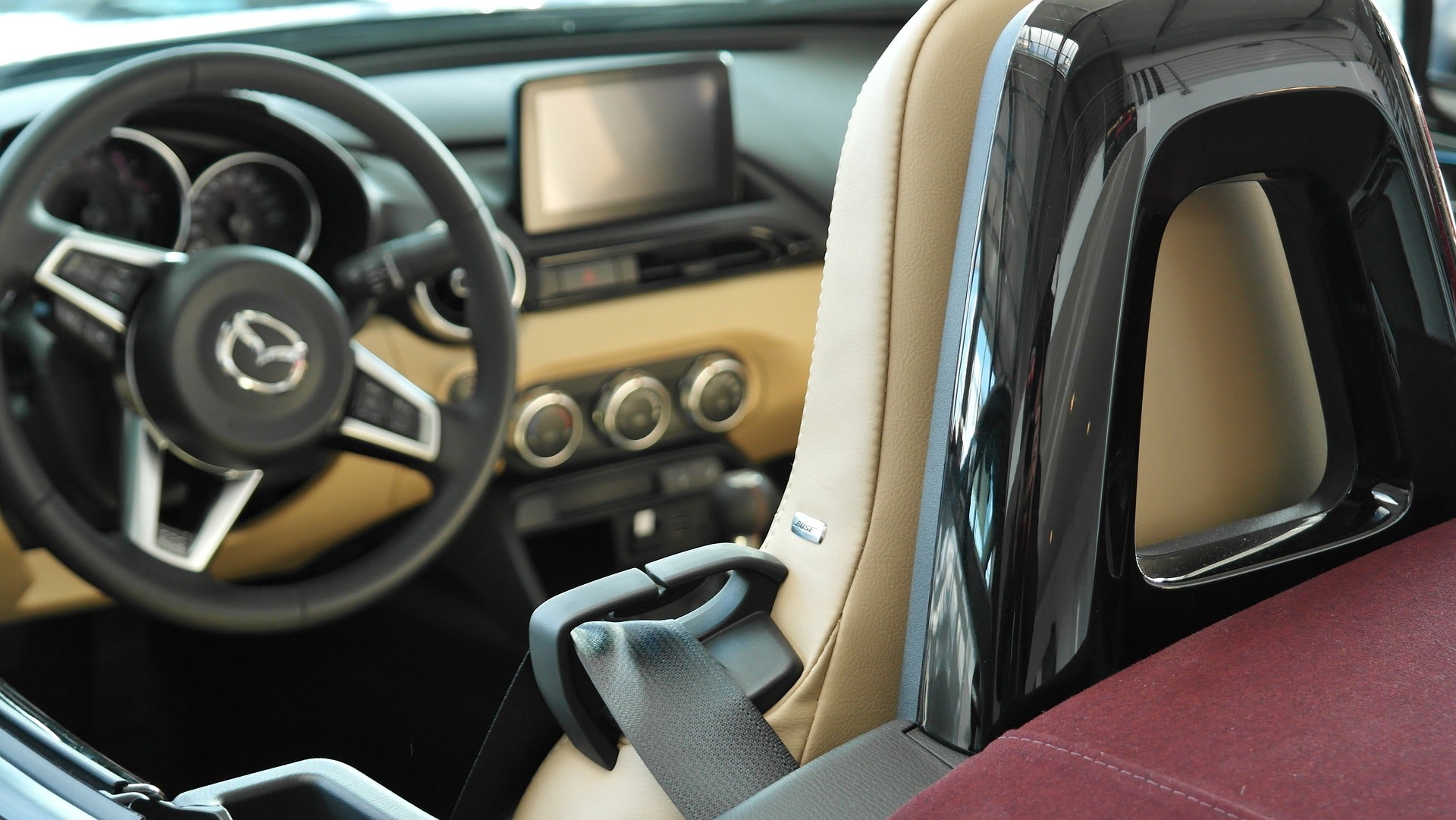
A Mazda steering wheel

4 Safety Features That Make Mazda a Top Choice

Every single one of Mazda's 2023 model year vehicles that was tested by the IIHS earned its Top Safety Pick+ award. With so many standard and available safety features on each model, it's easy to see how Mazda vehicles did so well in the competition for the safest vehicles of the year. Here are just a few of those safety features that you can use to protect your family, yourself, and your Mazda while you explore the road. more 1. Pre-Collision Safety System New Mazda models feature technologies from the i-Activsense suite of safety features. One of the most impressive of these is the pre-collision safety system. Using forward-mounted radars and cameras, Mazda's pre-collision safety technology helps you recognize and react to potential forward collisions. The advanced smart city brake support with day and night-time pedestrian detection constantly looks ahead for vehicles and people in front of your Mazda. When it detects one, it will first alert you through visual cues and then audible cues. If you don't move to avoid the collision, this system applies your Mazda's brakes for you. 2. Blind Spot Monitoring Blind-spot monitoring systems are another great safety features Mazda models use to help boost your awareness of hidden vehicles around yours. This safety feature uses rear-mounted detection technology to scan your blind spots for lurking vehicles. When another vehicle is in your blind spot, a visual alert lets you know. If you engage your turn signal when another vehicle is in the way, the blind spot monitor issues audible warnings to bring your attention to the potential danger. This technology comes in handy when you're changing lanes on multi-lane roads and merging onto highways. 3. Rear Cross-Traffic Alert Reversing out of parking spaces can be a stressful situation, especially if you're doing so with low visibility. This system uses the same sensors as the blind-spot monitor to look for oncoming vehicles when you shift your Mazda into reverse. If it detects a vehicle approaching, the system lets the Mazda driver know through visual and audible warnings. Couple with the rearview camera view through the touch screen, you can keep a better eye on the world behind your Mazda. 4. Passive Safety Features Not only do Mazdas utilize some of the greatest and latest safety technologies, but they also make tried-and-true safety features more reliable than they've ever been. The SKYACTIV-designed body uses a ring structure to better protect it in the event of a collision. The SRS air bag system is strategically placed around the cabin to protect you when a collision seems unavoidable. Modern Mazdas utilize the best of the old and new safety features to give you a modern sense of security on the road. As we mentioned above, these are but a few of the safety features that you can look forward to when you shop for a Mazda vehicle. Whether you're a longtime Mazda driver or you're thinking of making the switch, this high level of safety is just of one the reasons to get behind the wheel of a new Mazda model. Image via Pixabay
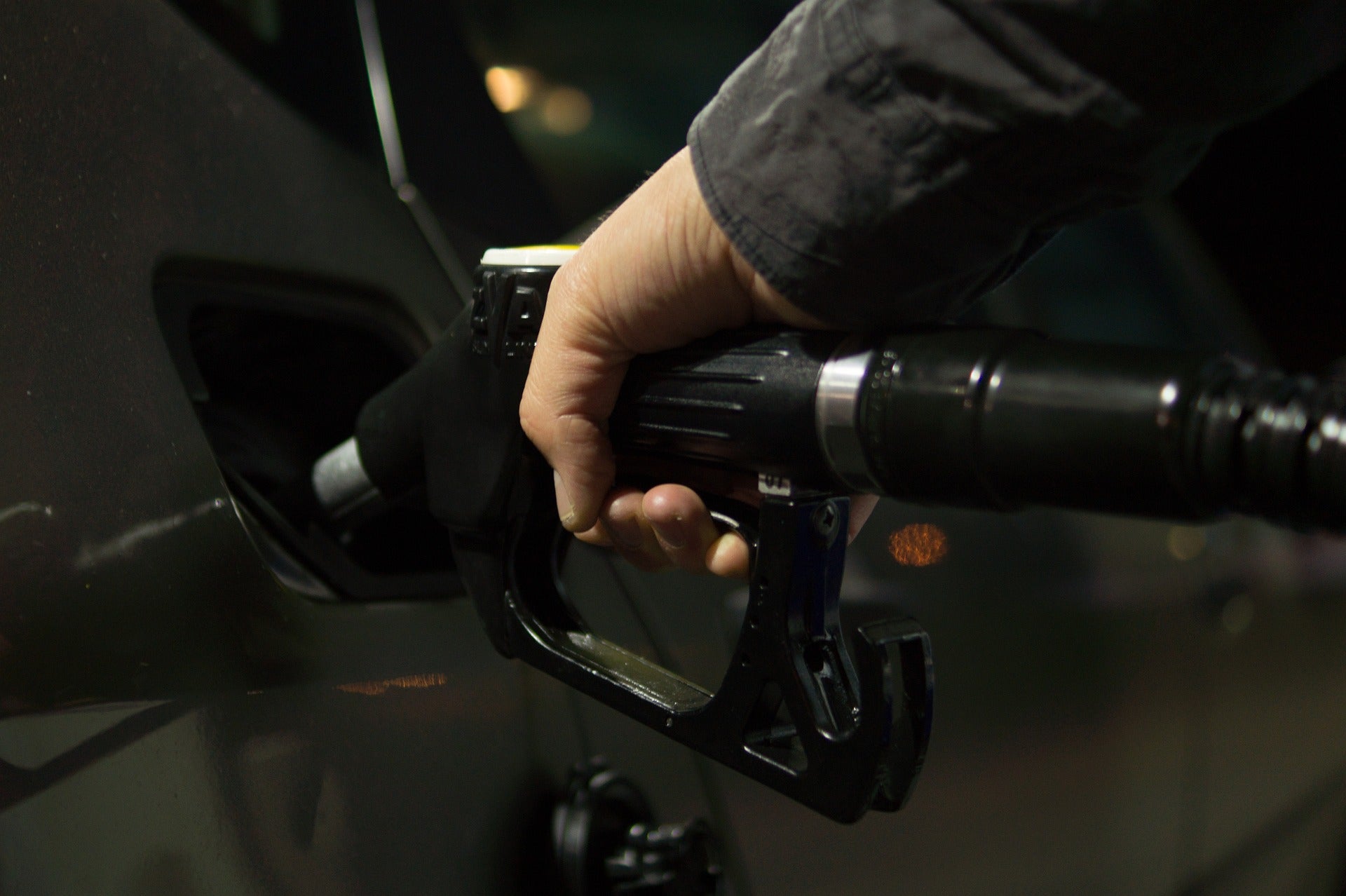
A person putting gas in their car

What Should You Do If Your Car Smells Like Gasoline?

Have you noticed a strong gasoline smell coming from your car? Not only can this be unpleasant, but it could also indicate a potentially dangerous problem that may require you to take the car in to your local Mazda dealer. There are a few things you should do right away if you notice your car smells like gas. more If Your Car Smells Like Gas, Stop Driving and Check for Leaks As soon as you safely can, pull over and turn off the engine. Once you've stopped, inspect your car for any signs of leaks. Look under the car and see if you can find puddles of gasoline or unexplained wet spots. If you find a leak, do not try to drive your car. Call a tow truck and have your car taken to a mechanic right away. Check the Fuel Cap If you don't see any signs of leaks, the next step is to check the fuel cap for signs of damage or improper tightening. A loose, missing, or damaged fuel cap can cause gasoline to evaporate from your tank and produce a strong odor. If the fuel cap is loose, tighten it and see if the smell goes away. If it is missing or damaged, replace the cap as soon as possible. Check the O-Ring or Oil Cap Gasket Another possible cause of a gasoline smell in your car is a faulty O-ring or oil cap gasket. These components help to seal the oil system and prevent gasoline from leaking or evaporating. If they become damaged or worn, gasoline can leak out. To check this, open the hood of your car and locate the oil cap. Remove the cap and check the gasket. If you notice any cracks, tears, or obvious signs of damage, it's time to replace it. Check the Fuel System If the fuel cap and the oil cap gasket are not the source, it's possible there's an issue with your car's fuel system. This could be due to a faulty fuel pump, fuel injector, or fuel filter, or even something as simple as loose spark plugs. When these components malfunction and cause gasoline to leak or evaporate, it can produce the strong smell you noticed. If you suspect a problem with your fuel system, take your car to a mechanic as soon as possible. Have Your Car Inspected By Your Local Mazda Dealer If you can't identify the source of the gasoline smell by yourself, it's important to have your car inspected by a professional. A certified mechanic will perform a thorough inspection. They can determine the cause of the smell and make any necessary repairs, leaving your car gasoline-smell free and safe to drive again. A strong smell of gasoline in or around your car should never be ignored. By following these steps and regularly maintaining your vehicle, you can keep your car running smoothly and safely. If you need help identifying an issue with your car, bring it down to Flood Mazda, where we'll get to the bottom of the problem. Image via Pixabay

The wheel and seat of a Mazda

Driving in Snow: 5 Tips From Your Mazda Dealer for Staying Safe on the Road

Driving in snow when the roads are slick and slippery, and visibility is poor is hazardous and severely affects your safety. The following tips from your Mazda dealer will ensure you navigate winter roads expertly and stay safe behind the wheel of your Mazda 3, CX-5, or CX-9. more 1. Ensure Your Mazda Is in Tip-Top Condition Before plowing through the snow in your Mazda, ensure your vehicle is in top condition to handle even the harshest winter conditions. Visit your dealer for a maintenance service and get the lights, windshield wipers, brakes, and defroster checked. Mount a set of quality winter tires to give you the necessary traction and handling ability on snow-covered roads. 2. Perform Weekly Vehicle Checks Perform weekly safety inspections in winter, check all four tires, and keep them inflated to the proper pressure levels. Inspect the battery and check that the lights and windshield wipers are working correctly. Keep the gas tank full or half full to prevent moisture from forming and freezing in the fuel line. A full gas tank will also reduce the risk of you running out of gas and getting stranded in the freezing cold. 3. Reduce Your Speed When it snows, your car can easily lose traction and cause you to lose control of your vehicle. Reduce your speed, steer more carefully, avoid suddenly jerking the steering wheel, and brake and corner carefully to prevent your car's wheels from spinning. Avoid cruise control because the snow can affect the sensors, causing skidding and spinning. 4. Brake Carefully Your car's braking distance is severely reduced in the snow when the roads are slick and slippery. Avoid braking hard and jerking the steering wheel. When you drive slower, you will approach intersections slowly and have enough time to brake carefully long before you need to stop. 5. Keep a Safe Following Distance When you drive in the snow on slippery roads, you want to keep as much space between your car and the vehicle in front of you as possible to give you enough time to react and brake early and safely without skidding and losing control of your vehicle. When it snows, increase the space between your car and the vehicle ahead from the usual three-car lengths to at least five to give you enough space to react when you need to brake suddenly. The key to staying safe on the road in the snow is ensuring your car is in excellent running condition, driving slowly and carefully, braking gently, and keeping a safe following distance. Stop at Flood Mazda today for a thorough vehicle checkup and a set of quality winter tires, and tackle the roads with confidence this winter. Image via Pixabay

someone driving car

4 Smart Tips Every New Driver Can Use

New drivers are among your Mazda dealer's favorite customers! Enjoy the excitement of finally getting behind the wheel minus the hassle with these top tips. more 1. Pay Attention It's a simple adage, but it will be number one on your list. Ideally, you should be fully aware of your surroundings and scan as far up the road as possible. By staying alert, you can avoid many of the common causes of traffic accidents, such as following too closely, failing to make sure lanes are clear when you turn or merge, or being unaware when another motorist is driving erratically. Your best chance of keeping vigilant is to avoid any distractions while driving, including texting, eating, and talking on the phone. 2. Be Courteous Becoming a road monster increases your chances of getting a ticket, getting into an accident, or finding yourself in the middle of an escalating and dangerous road rage incident. Do not try to intimidate other drivers with aggressive actions like tailgating, excessive horn-honking and light-flashing, or weaving in and out of traffic to maintain a high speed. At the same time, don't be intimidated when you do encounter an aggressive driver. Just continue obeying the rules of the road and maintaining a level head, keeping in mind that this person will be out of your space and out of your life within a few moments. If you let yourself be goaded into an accident or a confrontation, though, the chances of a costly and life-altering mistake rise exponentially. 3. Internalize Your Education When you take a test, you'll naturally be more confident and prepared when you know the material. The same philosophy applies to driving. Unlike a lot of the things you may learn, all of that information you had to memorize for the driving test will be useful for the rest of your driving life. Recognizing road signs will enable you to make quick decisions when you're on the road. Likewise, you'll know exactly how to react when you encounter a different kind of vehicle, such as a bicycle or a school bus. Familiarity in these cases breeds confidence, and a confident driver is a more capable driver. 4. Know Thy Car and Thy Roads Familiarity should extend to both your routes and your vehicle itself. Become well-acquainted with the roads and highways you will be traveling most frequently. Ask more seasoned drivers for potential shortcuts. And if you are driving to an unfamiliar destination, study up on the path you will take. Don't just rely on the GPS, though. Learning to read a road map is an incredibly useful skill that can save you time and stress. You should know your auto like the back of your hand, too. For one, you can better recognize when problems arise or when warning lights illuminate. Further, when you are comfortable in your vehicle you will likely drive with more assurance. With its compact size, nimble handling, sweet styling, and i-Activesense safety suite, the Mazda 3 sedan offers the ultimate in comfort and confidence for beginning drivers. Begin your driving journey with the perfect auto ally. Visit Flood Mazda and we'll connect you with the ride of your dreams.

Flat tire

What to Do When You Get a Flat Tire

Whether you're on your way to work or enjoying a pleasure cruise in your Mazda 3 or CX-50, a flat tire is always a colossal inconvenience. Below your Mazda dealer tells you precisely what to do when your car has a flat. more Pull Over in a Safe Place The moment you notice you've got a flat find a safe spot next to the road and pull over away from the traffic. The longer you drive on the tire, the more you will damage it and destroy any chance of repairing the tire. Turn on your hazards to be more visible to other road users. Put your car in park, or if it's manual, shift into reverse to minimize the risk of rolling forward or backward while changing the tire. You are covered by 24-hour roadside assistance if your Mazda is under warranty. Call us, and we'll change your tire for you. Loosen the Lug Nuts If you want to change the tire yourself, open your trunk and get the jack, lug wrench, spare tire, and if you have them, wheel wedges out. Use the wheel wedges or stones in front of and behind the tires to prevent our car from rolling. Now, loosen the lug nuts with the wrench, but don't remove them. Jack Up Your Car Place the jack in the jacking points underneath your car closest to the tire that needs changing. Jack your car up just enough to remove the wheel. You can take the nuts off completely and keep them in your pocket to avoid losing them. Take the tire off and put it under your car to protect your vehicle if it slides off the jack. Mount the Spare Tire Line the rim of the spare up with the lug bolts and push the tire inward until you see the lug bolts poke through. Fit the nuts onto the bolts and with your hand, turn them as tightly as possible with your hand. You will use the lug wrench later for the final tightening. Lower Your Car Lower your car until the spare is just touching the ground. Now you can use the lug wrench to tighten the nuts in a clockwise direction. If you've got five nuts, tighten every other one. If there are four nuts, tighten them in opposing pairs. Jack the car down until the wheel is on the ground, remove the jack and give the nuts a final tightening. Spare tires are not designed for long distances, and it's best not to drive with them for more than 50 or 60 miles. Unless you have a full-size spare, get your car to Flood Mazda as soon as possible to get the tire fixed or, if it's beyond repair, replaced. We stock a wide range of quality tires, and our qualified Mazda technicians will mount your new tire expertly. Image by Christian Bollow from Pixabay

vehicle inspection

How Often Should You Get a Routine Car Inspection?

It's best to regularly take your Mazda 3, CX-50, or CX-5 to your Mazda dealer for a car inspection, no matter how old your vehicle is. Routine inspections and maintenance from a qualified Mazda technician will keep your vehicle fuel-efficient, reliable, and safe on the road and ensure you enjoy every mile behind the steering wheel. more The Mazda Service Schedule Every Mazda model has a service schedule with factory-recommended maintenance intervals. Your Mazda service schedule is a guide created by the manufacturer to help you keep your vehicle in excellent running condition. The service schedule contains information on when to take your Mazda to your dealer for the required inspections and other essential maintenance tasks. The Recommended Maintenance Intervals The recommended maintenance intervals for your model are divided into mileage and month intervals with a  list of specific maintenance tasks. When you take your Mazda to your dealer for routine maintenance, the qualified Mazda technicians perform detailed inspections, fluid checks and corrections, adjustments, and part replacements. Generally, Mazda recommends an inspection every 3,000 to 7,500 miles or six months when your car gets an oil change. You will find the service schedule and recommended maintenance intervals in your Mazda model in your owner's manual or ask your Mazda technician for information. The Benefits of Routine Inspections The key to keeping your car running like new is to stick to the Mazda recommended service schedule and maintenance intervals. When a qualified Mazda technician regularly inspects your vehicle, minor issues will be detected early on. The necessary repairs will be performed before more damage occurs, which could lead to high repair costs. Your car will be reliable, safe, and fuel-efficient when you take your car regularly for inspections and the required maintenance. When your Mazda runs at its best, you'll save money on gas and costly repairs. Best of all, if your car's service record is up to date, it will increase your vehicle's resale value. Your Mazda will always get you where you want to go and be on the road longer. The Importance of Quality Inspections and Maintenance Services When it comes to proper vehicle care, rely on the qualified Mazda technicians at your dealer who are factory-trained to maintain your vehicle and know precisely which inspections and maintenance tasks to perform during each routine maintenance visit. They will thoroughly inspect your Mazda from top to bottom, inside and out, ensuring each system and component works perfectly and that you can rely on your vehicle to get safely to any destination. Follow the recommended maintenance intervals, and ask a qualified Mazda technician to perform routine inspections, and your Mazda will always be a pleasure to drive. Contact Flood Mazda today and schedule a maintenance appointment to make sure your vehicle is well maintained and running at its best.

mazda parking

6 Keys to Hassle-Free Parallel Parking

Many of us have been there before: you're driving along, looking for a parking spot, and you see the perfect place on the side of the road. Perfect, except for the fact that it means you'd have to parallel park, and you never learned how. We at your local Mazda dealer are here to provide some key bits of advice on parallel parking that are sure to make you a more confident, comfortable parker in no time! Read on for our best tips on parking like a pro. more 1. Find a Spot That's the Right Size for Your Car While it might go without saying that the spot you're parking in needs to be big enough for your car, it's important to note that you should make sure you're parking somewhere that feels big enough to comfortably get into. Some drivers may start with larger spots, until they get comfortable with parking, then go for smaller ones. Make sure the spot you're parking in works for you. 2. Set Yourself Up for a Comfortable Parking Experience By "comfortable", we mean that you've got room on the street and no one is too close behind you while you're attempting to park. Signaling and coming to a stop to indicate that you want to parallel park can let drivers behind you know what you're doing, and checking your rear view mirror can confirm that you've got space. 3. Get Close to the Vehicle You Are Parking Behind Now that you're ready to start parking, pull up alongside the car that is in front of the place you're going to park in. Try to get as close and parallel to them as possible to set yourself up for an easy park. Lining up the back of your car with the back of the car behind you is a good rule of thumb for setting yourself up for success in the next steps to come. 4. Turn Your Steering Wheel Completely to the Right Before You Start Reversing Start by turning your wheel all the way to the right without moving. Once your wheel is turned all the way to the right, you can begin to reverse into the spot.There are lots of guides on the steps to properly reversing your vehicle at this stage in the process, but one thing many drivers forget to do is to start with a fully right-turned wheel. 5. Make Lots of Use of Your Mirrors Parking parallel makes a lot of drivers nervous that they will hit one of the cars near them, but this isn't really a risk as long as you're careful about checking the mirrors and keeping an eye on what's happening around your vehicle as you're reversing. Make sure to use your rear view mirror and door mirrors, and to check over your shoulder, when reversing. 6. Practice! The most important tip you can get for parking parallel on the street is to practice! Grab a friend, head to a quiet part of town, and try it out until you feel confident doing it on your own. With a little practice and a few good tips, parking parallel on the street can be a cinch, no matter what vehicle you're parking! If you're looking for a new set of wheels to practice parking with, come on down and visit us at Flood Mazda today and check out our selection of new and used vehicles. Image by Hong Dang from Pixabay

Texting and driving

3 Bad Driving Habits Every Driver Should Avoid

Have you ever laid on your horn and released a few unsavory words or gestures in response to the antics of a thoughtless and careless driver? Your Mazda dealer wants to help you avoid earning a rep as one of those drivers. Simply steer clear of these bad driving habits. more 1. Speeding Speeding is one of the more obvious driving etiquette breaches that can not only net you a hefty fine but other serious repercussions as well. If you are driving an excessive amount over the speed limit, you significantly raise your chances of a serious accident because your ability to stop in time is hindered. These odds increase if road conditions are not ideal or if you are driving in a residential area. Too-slow driving can be equally dangerous. If you are not keeping up with the flow of traffic, especially if you are in the fast left lane, drivers behind you will become impatient and may try to pass you in a manner that is not safe. Remember that it's not your job to police the roads: if traffic behind you wants to go more slowly, and there's nothing keeping you from the right lane, get out of the way. Automatically adjust your speed and keep a safe distance with Mazda Radar Cruise Control available on Mazda 3, Mazda 6, and Mazda CX models. 2. Inconsiderate Driving Drivers who drive as if they're the only ones on the road are terrible. Inattentiveness and disregard for others are the primary traits of such drivers that manifest in a number of bad habits. For one, an un-courteous driver might drive too closely and tailgate a vehicle in front to bully the other driver into speeding up. This habit is also dangerous because it does not allow enough distance between autos in an emergency. Further, drivers who do not pay proper attention to their surroundings because they are preoccupied with a phone, a person, food, a billboard, or any other distraction are more likely to pull out in front of another vehicle, not stop in time, or drift into another lane. The chances of a collision are therefore highly increased. 3. Disregard Signs and Signals Observing the rules of the road and understanding road signs are critical to passing a driving test for a reason. Ingraining these behaviors into your driving will significantly reduce your accident risk. Unfortunately, some drivers lose these behaviors as their driving life progresses. For example, they might not stop fully at a stop sign or look both ways before proceeding. If it's a traffic signal, they may speed up instead of slowing down at a yellow. Other sign infractions might include ignoring u-turn restrictions, one-way street advisories, or no parking signs. In addition, drivers may cut a driver off while changing lanes due to a failure to activate the turn signal. The problem here is that other drivers, bikers, and pedestrians expect you to follow the signs ​ and may not be able to react in time when you do something completely unexpected (and illegal). When you ignore signs and signals and do what you feel instead of what's expected, you endanger everyone on the road: including yourself. Hone your good driving habits in a ride packed with handy driver-assist features. Visit Flood Mazda and browse our inventory of modern, driver-friendly cars, crossovers, and SUVs.

driving in the rain

Driving in Rain: 3 Tips for Drivers in Wet Weather

You're about to set off in your car when you notice that a heavy rain has started. Now what? How can you make sure you remain safe in wet weather? When driving in rain, you should always be more cautious than usual and leave your radio on to find out about road closures. If possible, fill up your gas tank before you leave, since your trip might take longer than usual. Read on to find out what driving tips your Mazda dealer recommends. more 1. Be More Careful and Alert than Usual Most people try to be considerate drivers, but it's easy to briefly get distracted or drive a bit too quickly when in a rush. During wet weather, you should avoid anything that takes your focus off the road or could make it more difficult for you to stop. Remember that stopping distances are at least twice as long in rainy weather than under optimal conditions, so you need to plan accordingly. Give all other drivers plenty of space, and keep the speed slightly under the limit. You should also check your tire depth to make sure you won't have trouble braking when necessary. If you have worn out tires and you know you'll have to drive in rainy conditions soon, you should visit the dealership and ask the mechanics whether you should get your tires replaced. 2. Fill Up the Gas Tank Beforehand You're not the only one who finds it difficult to drive in the rain. In fact, a large number of accidents happen during wet weather conditions. Therefore, you should be prepared for anything if you set off and it is raining heavily. Filling up your gas tank and bringing some extra snacks could be a good idea because you might get stuck on the road due to an accident or road closures. The last thing you want when it is raining is to frantically search for a gas station or to run out of gas and have to call emergency services. 3. Keep the Radio On and Your Phone Charged When the weather is bad, communication is key. If you're caught in very rainy conditions, you should turn on the radio to find out whether there are any accidents or road closures. Knowing what's going on ahead of time can save you the hassle of getting stuck in a long traffic jam. You should also keep your phone charged because you might have to notify other people of the issues you are experiencing. Remember to always pull over when taking a call, especially if the weather is bad. 4. Wait a While If the rain is extremely heavy, you should consider waiting for a while before you set off. Ask yourself whether the trip is really necessary or whether you could delay it until weather conditions improve. Often, not driving in stormy weather is the best way of preventing an accident and keeping your car in good shape. Driving in very rainy weather can be a challenge for even the most experienced drivers. If you can't delay your trip, you should remain careful and alert, fill up your gas tank before you set off, and listen to the radio for any updates. Send us a message at Flood Mazda in Wakefield, RI for more driving tips and to find out more about our range of new and pre-owned vehicles.

4 Reasons Not to Ignore a Cracked or Chipped Windshield

Your Mazda dealer has seen first-hand the consequences of a cracked or chipped windshield. Find out why you should never ignore this not-so-minor problem. more 1. Safety Concerns A large crack in a windshield can obstruct the driver's view and create a hazard on the road. This scenario is especially likely if the crack appears in the form of a starburst, wherein several cracks branch out from an impact point. A crack may, in turn, cause light to reflect into the driver's eyes, impairing the ability to see surroundings even more. In addition to the potential of causing an accident, a severely cracked windshield may also shatter and make glass fragments fall onto the driver or passengers. These fragments can cause cuts, blood loss, and eye damage. 2. Legality Several laws are on the books to enhance vehicle safety, from required seatbelts to functional headlights and taillights. Drivers may be pulled over and cited by a police officer for violating these guidelines. Since a damaged windshield reduces the driver's visibility, it could be a legal infraction worthy of a citation. If your vehicle must undergo a safety inspection for registration or renewal, a visibly cracked windshield can likewise hinder your chances of passing the inspection. 3. Structural Integrity Modern windshields are a vital stabilizing force for the entire vehicle. They provide support for the roof and are integral for auto safety. A crack that suddenly appears in the absence of an impact (known as a stress crack) could signal a larger overall problem with the vehicle itself. Mishaps in the manufacturing of a vehicle, for example, can lead to stress cracks along the windshield's edges. Keeping a close eye on your windshield's health can give you valuable insight into your auto's overall health. One IHS Top Safety Pick you won't have to worry about in regard to health and stability is the sporty Mazda 3. This stylish vehicle comes equipped with safety-enhanced glass, ultra-durable rain-sensing windshield wipers, and a camera and alert system that gives you and your ride an extra set of eyes. 4. Costly Repairs A chip or small crack in the windshield may seem inconsequential at first, but if left untreated, this aberration can quickly grow into a significant issue. Both heat and cold can alter the structure of glass, so rising or falling temperatures can play havoc with cracks or chips and cause them to expand. Prolonged exposure to the elements, whether it be constant sunlight or precipitation, can also worsen cracks. Other factors like windshield wiper pressure and even subtle movements of your vehicle can compound cracks as well. For these reasons, even the smallest chip may become a massive crack. The longer you wait to fix the issue, the greater the chance you will have to shell out plentiful money. In the worst case, the windshield may need to be replaced entirely. Do-it-yourself attempted fixes may only worsen the problem, so qualified professional assistance is best. Don't let your minor inconvenience transform into a hazardous and money-draining expense. Contact the expert service team of Flood Mazda for efficient and effective maintenance.

Brake repair

How Often Should You Replace Your Mazda's Brake Pads?

Brake pads are a very important part of your braking system. They provide additional friction to allow your car to stop faster. They also help to protect parts of your braking system from damage. These pads will wear out, and they need to be replaced regularly. As your Mazda dealer, we'd like you to know how often they need to be replaced. more How Long Do Pads Last? Pads are usually about 1/2" thick when they're new. Each time you use your brakes, the pads wear slightly. When they reach a thickness of 1/4", it's time to think about replacement. The time it takes for your pads to reach this thickness depends on numerous factors, including weather, driving conditions, and driving style. On average, your pads need to be replaced every 20,000 to 60,000 miles. Your brakes are serviced according to your car's service schedule, and this is generally every 12 months or 12,000 miles. Our technicians will check your pads as part of the routine service for thickness and signs of wear. Pad will always show signs that they're wearing, and this gives you time to replace them. Signs Your Pads Are Wearing Out Glazed Pads The surface of a new pad is rough, and it needs to be to generate friction against the rotor. If a pad is held in contact with the rotor for too long, this contact will smooth the pad surface and will wear a smooth section on the rotor. This close contact can happen due to a damaged caliper that keeps the pad too close to the rotor or if you are riding your brakes. If you regularly drive downhill, for example, and you keep your foot on the brake, this can cause your pads to glaze. Glazed pads won't provide good stopping power as they lack the necessary abrasive pressure. We can't repair glazed pads, but we can replace them for you while you wait. Vibrating Pedal A vibrating pedal can mean that the pads are wearing unevenly, or that they have caused a buildup of material on the rotor. Sometimes when pads have been exposed to high temperatures and constant friction, pieces of the pad can brake off. This will cause the pad to become unbalanced, and it will cause vibrations when it grips the rotor. Grinding Noises The friction material on the pads will eventually wear off if the pads aren't replaced. When this happens, the metal caliper will grind against the metal of the rotor. You'll hear an awful metal-on-metal noise, and this is a sign that your rotors are being damaged. If you hear grinding noises, it's vital to have your pads replaced immediately to prevent serious damage to the rotors. Worn pads are dangerous and could result in an accident. If you have any brake problems, call our service department right away at Flood Mazda. Our highly-trained technicians will find and fix the problem. Image by Gerald Oswald from Pixabay

Tire rotation

7 Big Benefits of Getting a Tire Rotation

You may think that rotating your tires is a waste of time, but it isn't! Your tires should be rotated every 5,000 to 7,000 miles for optimal benefits. Learn seven important reasons to visit your Mazda dealer for regular tire rotations. more 1. Your Tires Will Last Longer Your front tires wear out almost 50 percent faster than your back tires. When you rotate your tires regularly, you help the tread on them to wear more evenly. This not only negates the need for replacing your front tires more often, but it also helps all your tires last longer. 2. You Get a Safer Ride When the tread on your tires is worn down unevenly it can create a safety hazard. Your tires may not be able to grip the road properly in wet conditions which could lead to an accident. Uneven wear can also potentially lead to your tires being different sizes, which can affect the suspension of your vehicle and create some costly damage. For the safety of your family, and everyone on the road, ensure you get your tires rotated regularly. 3. You Feel More Comfortable When You Drive If the tread on your tires becomes uneven it can make your car shake when it drives and can even lead to damage to your vehicle. Rotating your tires regularly ensures you always have a smooth, comfortable ride. 4. You'll Hear Less Noise When You Drive Unnecessary vibration can be created by uneven tread wear on your tires. If you hear a lot of excess noise, feel vibrations, and have trouble steering, even if you're on a smooth road, chances are your tires are unevenly worn. 5. You Get Better Fuel Mileage Uneven wear on your tires can create resistance when you drive, which can use extra fuel. Rotating your tires regularly will mean you feel less resistance when you drive, get a smoother ride, and get more time between gas tank fill-ups. 6. You Feel More in Control When You Drive As mentioned before, tires that lose tread can slip in rainy or snowy conditions and create an uneven ride. This can affect how you steer your vehicle as well as reduce your response time in an emergency. When you regularly rotate your tires they wear out evenly and keep you in control on the road. 7. Your Mazda Dealer Will Ensure It's Done Correctly You must make sure your tires get rotated properly. This means your tires aren't simply being moved back and forth on the front and/or back. Your dealer will keep track of your rotations and ensure your tires wear evenly. Flood Mazda is proud to be an award-winning dealership serving the fine folks of Rhode Island. We offer all the new Mazda models, quality used vehicles, financing services, and an outstanding service department. Visit or stop by Flood Mazda today to view our inventory of vehicles, discuss financing options, learn about the features of your vehicle, or book your next maintenance appointment. Image by Mylene2401 from Pixabay

Contact Us

Fill out this form below and we'll contact you shortly
*Required Fields