Blog / Vehicle Safety

4 Safety Features That Make Mazda a Top Choice

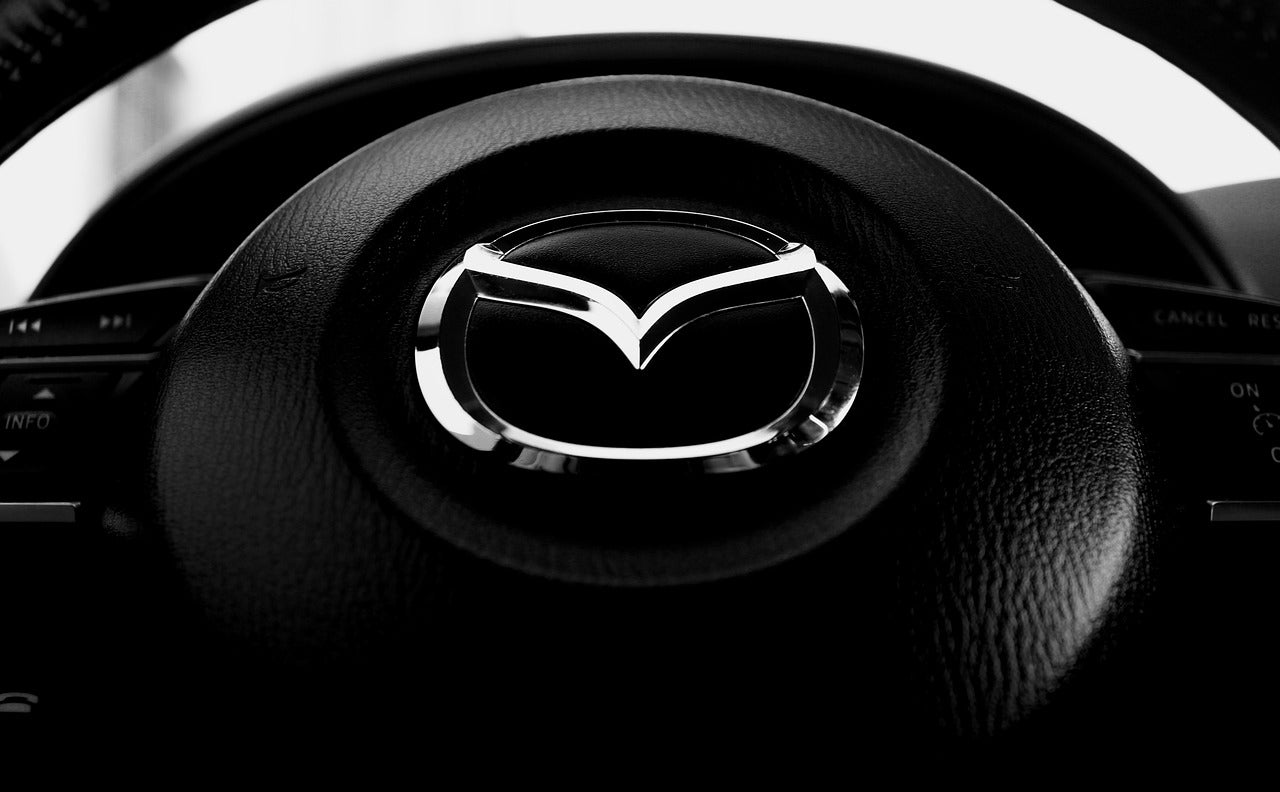
A Mazda steering wheel

Every single one of Mazda's 2023 model year vehicles that was tested by the IIHS earned its Top Safety Pick+ award. With so many standard and available safety features on each model, it's easy to see how Mazda vehicles did so well in the competition for the safest vehicles of the year. Here are just a few of those safety features that you can use to protect your family, yourself, and your Mazda while you explore the road.

1. Pre-Collision Safety System

New Mazda models feature technologies from the i-Activsense suite of safety features. One of the most impressive of these is the pre-collision safety system. Using forward-mounted radars and cameras, Mazda's pre-collision safety technology helps you recognize and react to potential forward collisions.

The advanced smart city brake support with day and night-time pedestrian detection constantly looks ahead for vehicles and people in front of your Mazda. When it detects one, it will first alert you through visual cues and then audible cues. If you don't move to avoid the collision, this system applies your Mazda's brakes for you.

2. Blind Spot Monitoring

Blind-spot monitoring systems are another great safety features Mazda models use to help boost your awareness of hidden vehicles around yours. This safety feature uses rear-mounted detection technology to scan your blind spots for lurking vehicles. When another vehicle is in your blind spot, a visual alert lets you know. If you engage your turn signal when another vehicle is in the way, the blind spot monitor issues audible warnings to bring your attention to the potential danger. This technology comes in handy when you're changing lanes on multi-lane roads and merging onto highways.

3. Rear Cross-Traffic Alert

Reversing out of parking spaces can be a stressful situation, especially if you're doing so with low visibility. This system uses the same sensors as the blind-spot monitor to look for oncoming vehicles when you shift your Mazda into reverse. If it detects a vehicle approaching, the system lets the Mazda driver know through visual and audible warnings. Couple with the rearview camera view through the touch screen, you can keep a better eye on the world behind your Mazda.

4. Passive Safety Features

Not only do Mazdas utilize some of the greatest and latest safety technologies, but they also make tried-and-true safety features more reliable than they've ever been. The SKYACTIV-designed body uses a ring structure to better protect it in the event of a collision. The SRS air bag system is strategically placed around the cabin to protect you when a collision seems unavoidable. Modern Mazdas utilize the best of the old and new safety features to give you a modern sense of security on the road.

As we mentioned above, these are but a few of the safety features that you can look forward to when you shop for a Mazda vehicle. Whether you're a longtime Mazda driver or you're thinking of making the switch, this high level of safety is just of one the reasons to get behind the wheel of a new Mazda model.

Image via Pixabay
Posted in:

Related Posts

The wheel and seat of a Mazda

Driving in Snow: 5 Tips From Your Mazda Dealer for Staying Safe on the Road

Driving in snow when the roads are slick and slippery, and visibility is poor is hazardous and severely affects your safety. The following tips from your Mazda dealer will ensure you navigate winter roads expertly and stay safe behind the wheel of your Mazda 3, CX-5, or CX-9. more 1. Ensure Your Mazda Is in Tip-Top Condition Before plowing through the snow in your Mazda, ensure your vehicle is in top condition to handle even the harshest winter conditions. Visit your dealer for a maintenance service and get the lights, windshield wipers, brakes, and defroster checked. Mount a set of quality winter tires to give you the necessary traction and handling ability on snow-covered roads. 2. Perform Weekly Vehicle Checks Perform weekly safety inspections in winter, check all four tires, and keep them inflated to the proper pressure levels. Inspect the battery and check that the lights and windshield wipers are working correctly. Keep the gas tank full or half full to prevent moisture from forming and freezing in the fuel line. A full gas tank will also reduce the risk of you running out of gas and getting stranded in the freezing cold. 3. Reduce Your Speed When it snows, your car can easily lose traction and cause you to lose control of your vehicle. Reduce your speed, steer more carefully, avoid suddenly jerking the steering wheel, and brake and corner carefully to prevent your car's wheels from spinning. Avoid cruise control because the snow can affect the sensors, causing skidding and spinning. 4. Brake Carefully Your car's braking distance is severely reduced in the snow when the roads are slick and slippery. Avoid braking hard and jerking the steering wheel. When you drive slower, you will approach intersections slowly and have enough time to brake carefully long before you need to stop. 5. Keep a Safe Following Distance When you drive in the snow on slippery roads, you want to keep as much space between your car and the vehicle in front of you as possible to give you enough time to react and brake early and safely without skidding and losing control of your vehicle. When it snows, increase the space between your car and the vehicle ahead from the usual three-car lengths to at least five to give you enough space to react when you need to brake suddenly. The key to staying safe on the road in the snow is ensuring your car is in excellent running condition, driving slowly and carefully, braking gently, and keeping a safe following distance. Stop at Flood Mazda today for a thorough vehicle checkup and a set of quality winter tires, and tackle the roads with confidence this winter. Image via Pixabay

someone driving car

4 Smart Tips Every New Driver Can Use

New drivers are among your Mazda dealer's favorite customers! Enjoy the excitement of finally getting behind the wheel minus the hassle with these top tips. more 1. Pay Attention It's a simple adage, but it will be number one on your list. Ideally, you should be fully aware of your surroundings and scan as far up the road as possible. By staying alert, you can avoid many of the common causes of traffic accidents, such as following too closely, failing to make sure lanes are clear when you turn or merge, or being unaware when another motorist is driving erratically. Your best chance of keeping vigilant is to avoid any distractions while driving, including texting, eating, and talking on the phone. 2. Be Courteous Becoming a road monster increases your chances of getting a ticket, getting into an accident, or finding yourself in the middle of an escalating and dangerous road rage incident. Do not try to intimidate other drivers with aggressive actions like tailgating, excessive horn-honking and light-flashing, or weaving in and out of traffic to maintain a high speed. At the same time, don't be intimidated when you do encounter an aggressive driver. Just continue obeying the rules of the road and maintaining a level head, keeping in mind that this person will be out of your space and out of your life within a few moments. If you let yourself be goaded into an accident or a confrontation, though, the chances of a costly and life-altering mistake rise exponentially. 3. Internalize Your Education When you take a test, you'll naturally be more confident and prepared when you know the material. The same philosophy applies to driving. Unlike a lot of the things you may learn, all of that information you had to memorize for the driving test will be useful for the rest of your driving life. Recognizing road signs will enable you to make quick decisions when you're on the road. Likewise, you'll know exactly how to react when you encounter a different kind of vehicle, such as a bicycle or a school bus. Familiarity in these cases breeds confidence, and a confident driver is a more capable driver. 4. Know Thy Car and Thy Roads Familiarity should extend to both your routes and your vehicle itself. Become well-acquainted with the roads and highways you will be traveling most frequently. Ask more seasoned drivers for potential shortcuts. And if you are driving to an unfamiliar destination, study up on the path you will take. Don't just rely on the GPS, though. Learning to read a road map is an incredibly useful skill that can save you time and stress. You should know your auto like the back of your hand, too. For one, you can better recognize when problems arise or when warning lights illuminate. Further, when you are comfortable in your vehicle you will likely drive with more assurance. With its compact size, nimble handling, sweet styling, and i-Activesense safety suite, the Mazda 3 sedan offers the ultimate in comfort and confidence for beginning drivers. Begin your driving journey with the perfect auto ally. Visit Flood Mazda and we'll connect you with the ride of your dreams.

mazda parking

6 Keys to Hassle-Free Parallel Parking

Many of us have been there before: you're driving along, looking for a parking spot, and you see the perfect place on the side of the road. Perfect, except for the fact that it means you'd have to parallel park, and you never learned how. We at your local Mazda dealer are here to provide some key bits of advice on parallel parking that are sure to make you a more confident, comfortable parker in no time! Read on for our best tips on parking like a pro. more 1. Find a Spot That's the Right Size for Your Car While it might go without saying that the spot you're parking in needs to be big enough for your car, it's important to note that you should make sure you're parking somewhere that feels big enough to comfortably get into. Some drivers may start with larger spots, until they get comfortable with parking, then go for smaller ones. Make sure the spot you're parking in works for you. 2. Set Yourself Up for a Comfortable Parking Experience By "comfortable", we mean that you've got room on the street and no one is too close behind you while you're attempting to park. Signaling and coming to a stop to indicate that you want to parallel park can let drivers behind you know what you're doing, and checking your rear view mirror can confirm that you've got space. 3. Get Close to the Vehicle You Are Parking Behind Now that you're ready to start parking, pull up alongside the car that is in front of the place you're going to park in. Try to get as close and parallel to them as possible to set yourself up for an easy park. Lining up the back of your car with the back of the car behind you is a good rule of thumb for setting yourself up for success in the next steps to come. 4. Turn Your Steering Wheel Completely to the Right Before You Start Reversing Start by turning your wheel all the way to the right without moving. Once your wheel is turned all the way to the right, you can begin to reverse into the spot.There are lots of guides on the steps to properly reversing your vehicle at this stage in the process, but one thing many drivers forget to do is to start with a fully right-turned wheel. 5. Make Lots of Use of Your Mirrors Parking parallel makes a lot of drivers nervous that they will hit one of the cars near them, but this isn't really a risk as long as you're careful about checking the mirrors and keeping an eye on what's happening around your vehicle as you're reversing. Make sure to use your rear view mirror and door mirrors, and to check over your shoulder, when reversing. 6. Practice! The most important tip you can get for parking parallel on the street is to practice! Grab a friend, head to a quiet part of town, and try it out until you feel confident doing it on your own. With a little practice and a few good tips, parking parallel on the street can be a cinch, no matter what vehicle you're parking! If you're looking for a new set of wheels to practice parking with, come on down and visit us at Flood Mazda today and check out our selection of new and used vehicles. Image by Hong Dang from Pixabay