Blog / Vehicle Safety

Blog

All Vehicle Safety Wakefield Mazda Dealer Vehicle Maintenance Wakefield Mazda Service Things to do in Wakefield Fun places in Rhode Island Mazda CX-5 Mazda3 Things to do near Wakefield Mazda CX-9 Vehicle Advice Restaurants near Wakefield Vehicle Financing Mazda CX-30 Mazda Miata Mazda6 Mazda CX-3 Mazda MX-5 Miata New Mazda3 near Wakefield Mazda3 Hatchback New Mazda6 in Wakefield Family activities New Mazda Miata MX-5 in Wakefield RI
5_Signs_You_Need_to_Replace_Your_Car_Air_Filter_637592483459457835

5 Signs You Need to Replace Your Car Air Filter

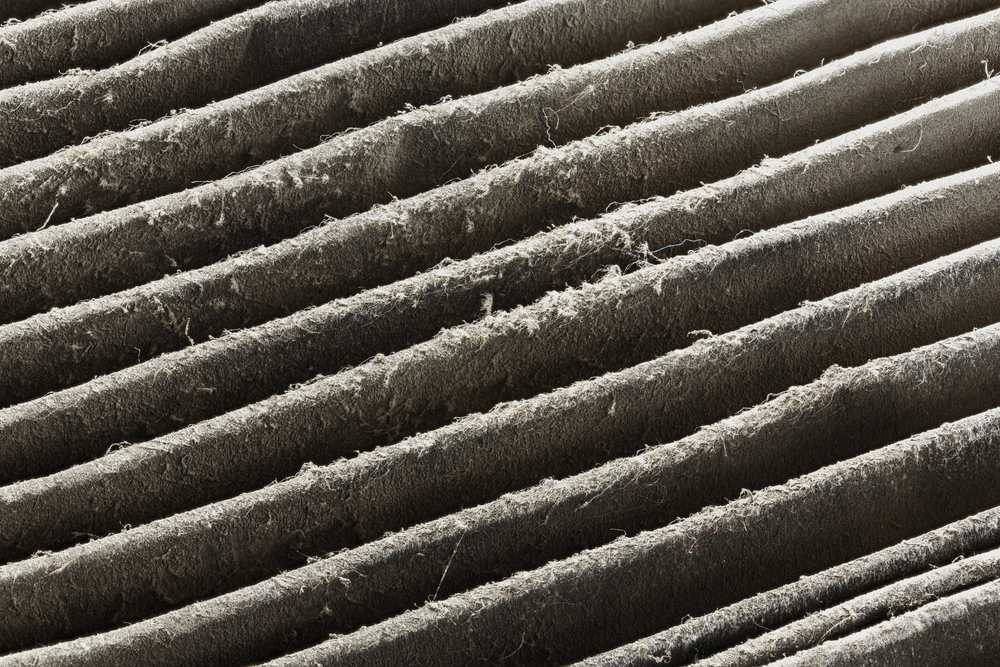
With restrictions vanishing, more Mazda drivers are taking their cars out into the open air. But don't forget that your vehicle needs air too, and a dirty car air filter deprives it of that. If you can't remember when you last changed your filter, here are five tips to determine if it's time to. more 1. Your Owner's Manual Calls for a Filter Replacement A vehicle's Owner's Manual is one of the most valuable yet underutilized assets a vehicle owner has. Your manual contains a maintenance schedule for your Mazda that covers all the service intervals your car requires. Record your vehicle's odometer miles in the manual's service chart whenever you complete the respective service. Then your manual can help you keep track of when future services due. 2. Your Air Filter is Dirty If you need to know the condition of your current filter, you can remove it and visually inspect it. Your car's air filter is easily accessible, and in most cases, you can get to it with little or no tools. Once you retrieve your air filter, hold it up to a bright light source. If you can see the light from the other side of the filter, your filter is still useable. However, if you see little or no light from the other side of the filter, it's time to change it. 3. You're Experiencing Poor Performance Issues If your car filter gets significantly obstructed, you will feel, see, and hear it in your car's performance. A clogged filter deprives your vehicle of the air it needs to make combustion in the engine. As a result, your vehicle will lose horsepower, acceleration and will run roughly. The longer the filter remains in the car, the worse the symptoms will become. Eventually, the vehicle will struggle to accelerate and even start. In extreme cases, it will begin to backfire; you may see black smoke exit your tailpipe. If it gets bad enough, you may no longer be able to get your Mazda to start at all. 4. The Check Engine Light Illuminates When your air filter gets sufficiently clogged, it will cause your check engine light to illuminate on your dashboard. There are no specific indicators for a dirty air filter, but an expert mechanic can quickly troubleshoot the problem. However, if you're confident it's the filter, and you know your way around the engine, you could always change it yourself. 5. You Smell Fuel Inside the Vehicle When the Engine Runs The smell of fuel inside the vehicle results from the clogged air filter blocking air from the engine. This condition prevents all the gasoline from burning up in the combustion chamber of the motor. Instead, the unburned fuel passes through the exhaust system under the vehicle, which is what you smell. When you want to get service done right on your Mazda, visit us at Flood Mazda. Our knowledgeable technicians will take care of all your maintenance needs, no matter how big or small.
Driving_in_Rain_Four_Tips_for_Drivers_in_Wet_Weather_637590112917025366

Driving in Rain: Four Tips for Drivers in Wet Weather

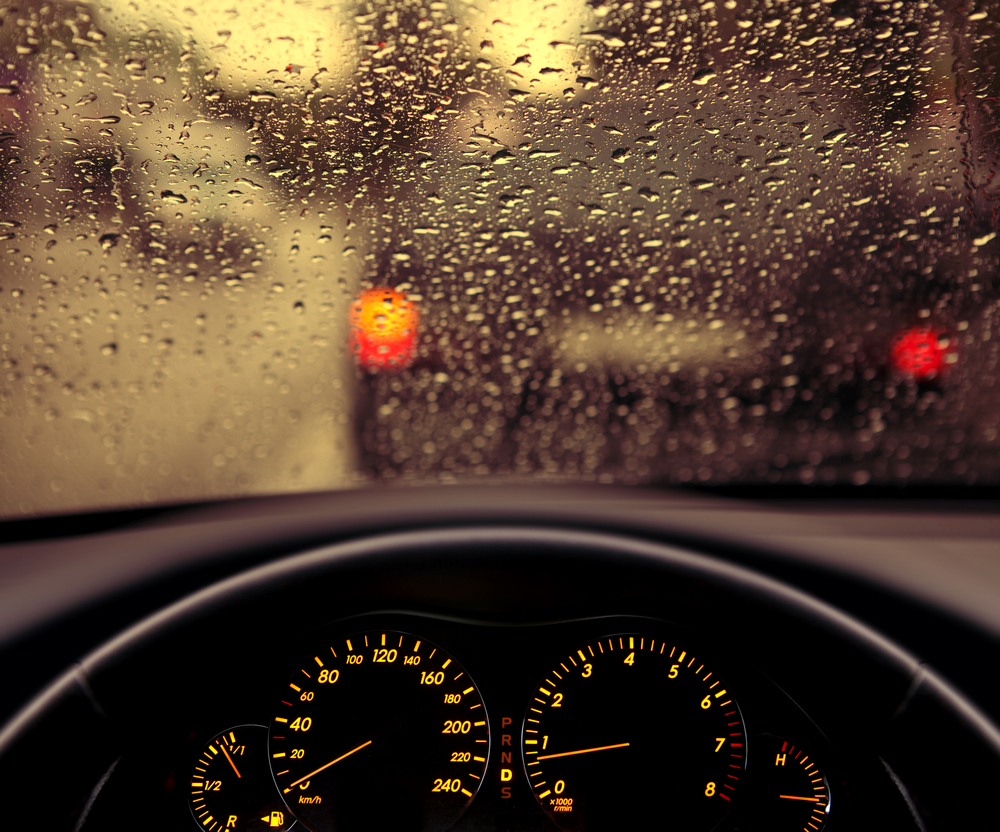
Driving in rain with the right vehicle can feel effortless, but some storms seemingly come out of nowhere and can create hazardous conditions. For those times, you need to be prepared even if you are driving a vehicle that can hold its own on a slippery road. If driving when it's raining out sends you into a panic, you can follow some tips to help you stay calm, avoid a collision, and safely make it to your destination. more 1. Slow Down This may seem like an obvious tip, but many drivers don't realize that wet weather requires slower speeds. Speeding or even maintaining the speed limit can be hazardous during certain types of rainstorms, and not only that, going too fast in the rain can pose a risk to you and those around you. The best way to remain in control of your vehicle and avoid others who aren't is to drive slowly. 2. Don't Be Afraid To Pull Over If you experience the type of rain that is the equivalent of a whiteout in a blizzard, it can be stressful, to say the least. If the rain is impairing your vision to the point that you can't see in front of you, don't be afraid to pull over. Find somewhere like a parking lot, gas station, or any other safe location so you can wait out the storm and get back on the road when the rain lightens up. 3. Create Distance Between You and Other Vehicles Rainstorms are not the time for tailgating. One of the best ways to maintain your safety while driving through a rainstorm is to create space between you and the vehicle in front of you. While you cannot control the vehicle behind you, you can avoid what's in front of you and when you give yourself enough space, you will be better able to avoid a collision. 4. Use Your Hazard Lights Hazard lights warn other drivers that you are going slower for a reason, but they can also be helpful in the rain. If a torrential downpour begins to impair the vision of drivers all around you, hazard lights can give them a way to see your vehicle, better judge the distance between the two of you, and create space so that everyone stays as safe as possible until the rain lightens up. 5. Use Your Driving Modes Wisely Vehicles equipped with driving modes have them for a reason and if your vehicle has a driving mode designed to help you travel through wet weather, use it. This will help keep your car stable on the road, avoid hydroplaning, and make you feel more confident in your driving. Driving modes are designed to help your vehicle drive in the worst conditions, especially slippery ones caused by any amount of rain. If you need a vehicle that can better handle every kind of weather, from the heat to the torrential downpours, we can help. Visit us today at Flood Mazda to find a vehicle that can handle the rain, the sleet, the snow, or whatever else comes your way.

Top_4_Advantages_of_Getting_Winter_Tires_for_Your_Car_637504445056912685

Top 4 Advantages of Getting Winter Tires for Your Car

Many drivers choose to rely on all-season tires to get them through tough winter conditions. Naturally, "all-season" means that you're covered for the winter season, too, right? Not quite. Winter tires offer several advantages when dealing with cold road surfaces, snow, and ice. They can potentially save you quite a bit of money, as well. more 1. Better Handling on Icy Cold Surfaces Unlike all-season tires, they're made with a softer rubber compound that resists hardening at freezing temperatures. Tires need to be flexible in order to grip the road, but that flexibility is drastically reduced during the winter. The softer compound allows the tire to maintain traction and keep you on the road. Better traction in the winter will allow your car to brake more responsively and quickly, improve acceleration, and limit sliding while cornering. 2. Wider Treads for Snow They're also called snow tires because their wider tread grooves are specifically designed to take on more of the white stuff. Snow crystals will adhere to themselves a lot better than they will to rubber (think packing a snowball), so the layer collected by the tire will actually help it to grip snowy surfaces much more easily. Just as softer rubber allows for shorter braking distances, reduced wheelspin, and more confident turning on icy roads, wider treads will do the same when heavy snowfall hits. 3. Two Sets for Longer Tire Life Having both an all-season and a winter driving set may seem quite costly upfront, but you're actually extending service life while using each set for more appropriate driving conditions. The Federal Highway Administration states that Americans drive an average of 13,500 miles each year (1,125 per month). If you spend four months out of the year on a winter set, your all-season set may last an extra two to three years thanks to reduced wear and tear. Not only will your tires last longer, but your vehicle will also always be properly equipped to handle road conditions. The real main cost would be service fees for switching the tires on your wheels or buying an extra set of wheels to fit new tires. 4. You Could Be Saving Money Your chances of being involved in an auto collision significantly increases when driving during harsh winter conditions. These accidents often end up being quite costly and may increase your insurance premiums as a result. Using tires designed to handle ice and snow combined with good winter driving techniques will help you to avoid these types of incidents. Depending on your state and insurance agency, you may also be offered a discount for equipping your vehicle with winter/snow tires. Most importantly, you could be saving yourself and your passengers from medical bills costing hundreds of thousands. Having a winter set of tires is an excellent investment that can help keep you and others safe, reduce maintenance costs, and provide excellent handling when the roads are cold and slippery. Head to Flood Mazda and we'll help you choose the right tires for your vehicle.

Safe_Travels_8_Tips_for_Driving_in_Snow_637492261866888904

Safe Travels: 8 Tips for Driving in Snow

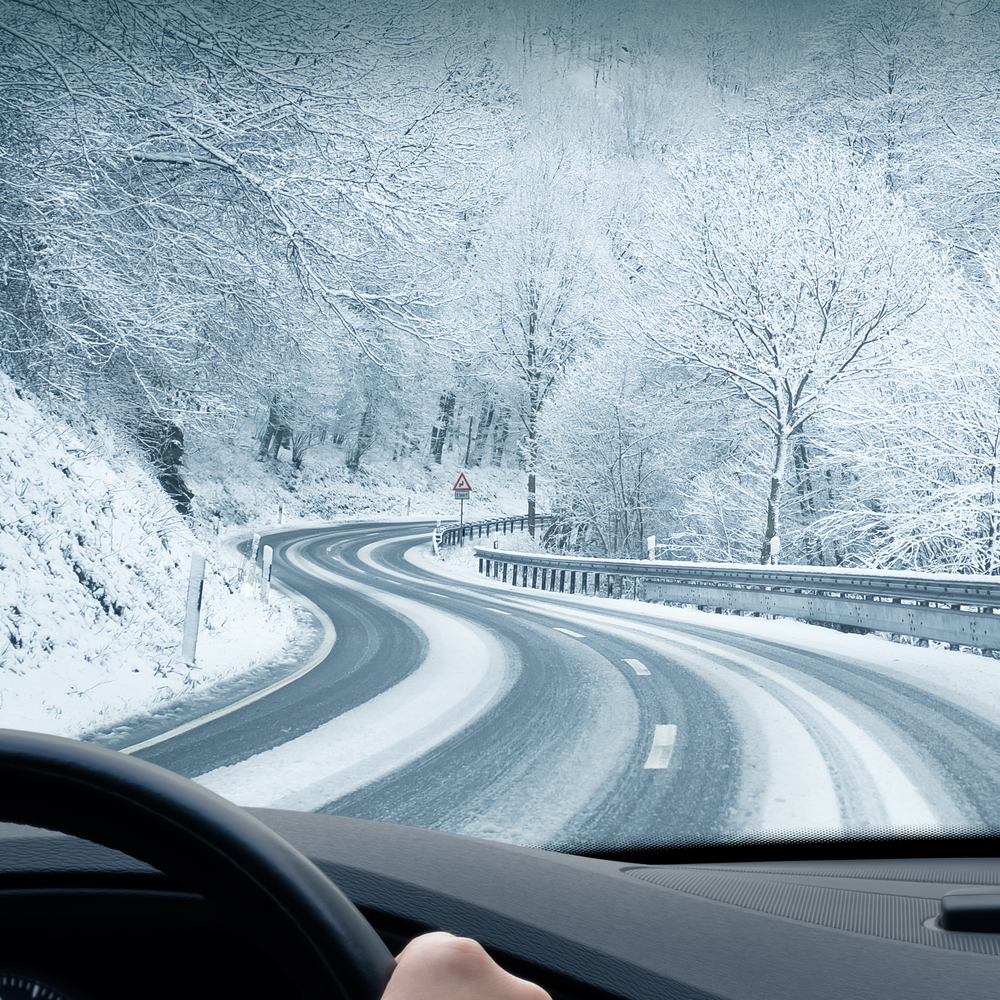
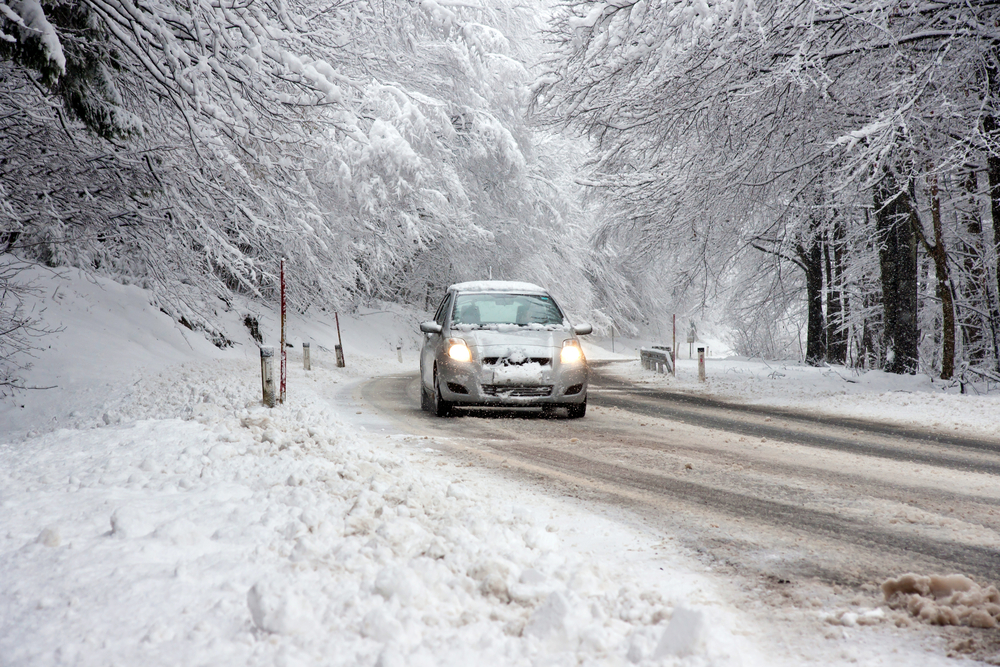
Driving in snow is hazardous. According to the AAA Foundation, weather conditions and storms contribute to more than 2,000 road deaths every winter. The following tips and information will help you to stay safe on the roads during the winter months. more 1. Fit Winter Tires The best advice we can give you on driving in ice and snow is a quality set of winter tires to improve overall handling. Winter tires have a tread design for extra grip in icy and wet conditions and ensure better control of your vehicle. 2. Keep the Windows and Lights Clean You need to see well in the snow, and it is vital to keep your windows, headlights, and taillights clean for improved visibility. It also helps to use products on the windows that stop snow and road dirt from building up. 3. Watch the Road Surface When you are on the road in the snow, watch the road surface for ice to avoid skidding that can cause an accident. Ice is usually in shady areas caused by trees or buildings next to the road. If you drive down a road with lots of trees and shadows, slow down and avoid icy spots. 4. Drive Slowly When you drive slowly, you have more control over your vehicle. When it's snowing, you don't want to suddenly serve out and lose control of your car. Concentrate on the road and be careful when accelerating, cornering, and braking. 5. Leave Room for Braking When you drive on snow-covered roads, make sure you leave plenty of room for braking. Watch the road ahead and keep a following distance of six to ten seconds. When you need to brake, avoid hard braking and do it as smoothly as possible. 6. Accelerate Gently In snowy conditions, apply gentle pressure to the gas pedal. If you suddenly accelerate, the wheels could lose traction and spin, and you can lose control of your vehicle. 7. Steer Smoothly Avoid quick and jerky movements when steering. You should be in control of your steering wheel and move it smoothly. If your vehicle starts to slide, don't immediately try to steer in the opposite direction. The best thing to do is straighten the wheel. Modern cars have stability control systems that will steer your vehicle back to the original position. Being too rough on the controls will take the stability control system longer to respond and make corrections. 8. Be Aware of Heavy Vehicles It takes a heavy vehicle much longer to stop than a car, especially in the snow. If you pass or drive in front of a slow-moving vehicle, especially a truck, give ample space. A heavy vehicle can't suddenly come to a stop to avoid an accident. Instead of overtaking, fall back and keep a safe following distance. The above tips will help you to drive safely in the snow and avoid skidding and accidents. Contact Flood Mazda today. Our team of technicians will help you to get your car ready and safe for winter conditions in the snow and ice.

Contact Us

Fill out this form below and we'll contact you shortly
*Required Fields