Blog / Vehicle Maintenance

Blog

All Vehicle Maintenance Wakefield Mazda Dealer Wakefield Mazda Service Vehicle Safety Things to do in Wakefield Fun places in Rhode Island Mazda CX-5 Mazda3 Things to do near Wakefield Mazda CX-9 Vehicle Advice Restaurants near Wakefield Vehicle Financing Mazda CX-30 Mazda Miata Mazda6 Mazda CX-3 Mazda MX-5 Miata New Mazda3 near Wakefield Mazda3 Hatchback New Mazda6 in Wakefield Family activities New Mazda Miata MX-5 in Wakefield RI
A person driving in the rain's dashboard

5 Reasons to Get a Cracked Windshield Fixed At Your Mazda Dealer ASAP

Windshields are strong, but they're not invincible, so sometimes they end up getting cracked. If the crack is small, then it's easy to ignore it if it doesn't seem like it's going to get any bigger, and it's not obscuring your view. However, if you have a cracked windshield, whether the crack is major or minor, you need to head to your Mazda dealer to get it repaired early. more 1. The Crack Could Grow Small cracks may seem pretty stable, and they might not get any bigger for weeks. However, eventually, the small crack in your windshield is going to get a little longer, deeper, and wider. From there, it'll start branching off like a spider web until the windshield is beyond repair. Once that crack gets too big, the windshield will need to be replaced entirely. 2. The Windshield Won't Be As Strong Even the smallest cracks can compromise the structural integrity of your windshield. This means even a small impact that may not have damaged the windshield before could end up cracking it further or even shattering it entirely. The windshield protects you from all kinds of small debris, and it probably takes a lot more hits than you realize during every journey. Getting it fixed so it's as strong as possible is essential. 3. The Airbags Could Be Compromised It's not just your windshield that structural integrity is compromised when it cracks; a damaged windshield can put your airbags into harm's way. Many airbags hit the windshield when they're deployed. If they hit a damaged windshield and the windshield chips or shatters, then the airbags could get hit by glass and burst. Even if the airbags aren't damaged, they may fail to support you effectively if they don't have the windshield to brace against. 4. The Crack May Decrease Visibility Not all cracks are severe enough to compromise your visibility, but as we mentioned before, cracks can grow. Yours could get larger at a really inconvenient time and make it difficult to see the road. You may also miss something in the area of the windshield that has a crack in it, even if that crack isn't very large. 5. The Police Could Pull You Over As we mentioned above, cracks in the windshield make it harder to see the road. It's illegal to drive a vehicle with compromised visibility in most states, including Rhode Island. While it's legal to drive with small cracks that aren't directly in front of you, the police may still choose to pull you over if they suspect that the crack is impacting your ability to view the road. Stop by Flood Mazda to have your damaged windshield repaired.  While you're here, ask about all the other services we offer to keep your car in top shape. Image via Pixabay

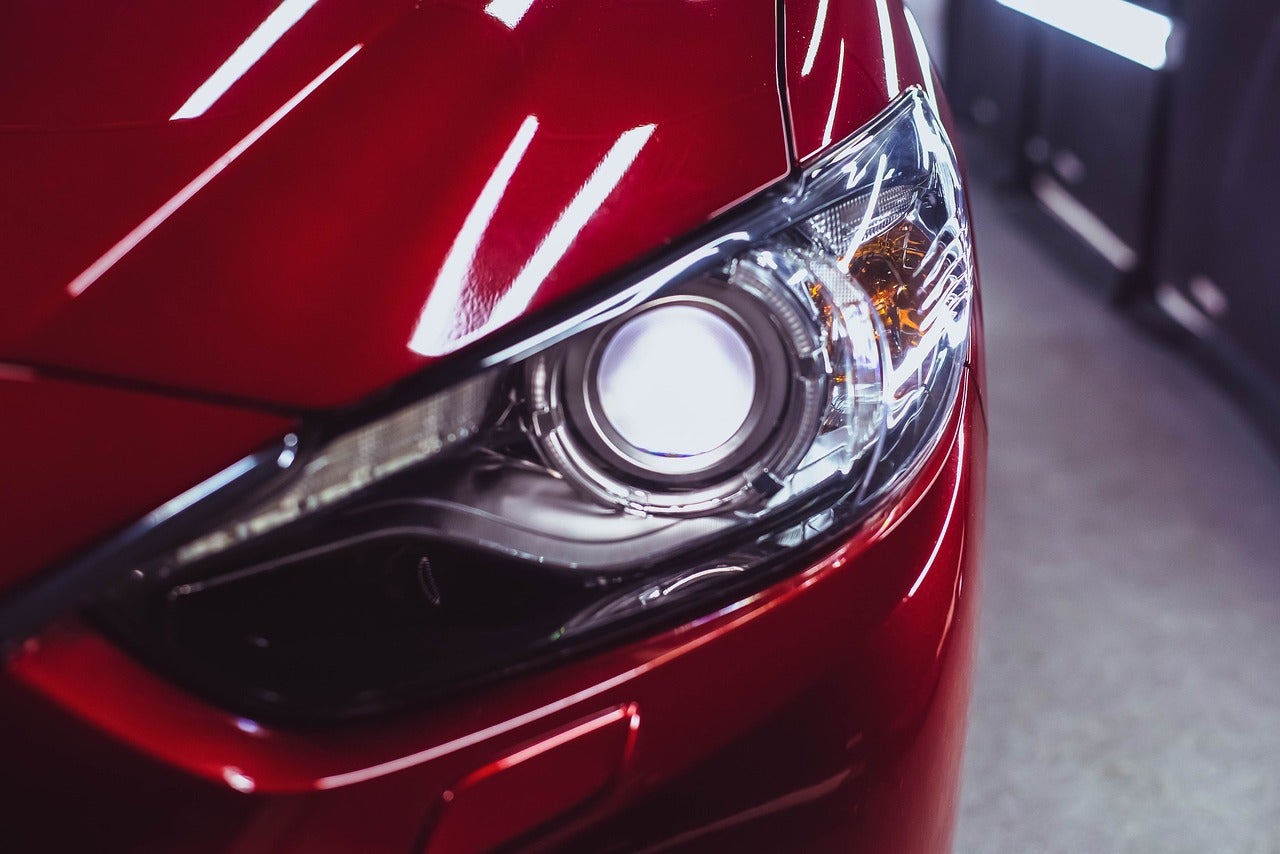
A red car headlight

5 Benefits of Getting Your Auto Repairs at an Official Mazda Dealership

If your Mazda is in need of repairs, you may be wondering whether to hit the local repair shop or visit an official dealership. However, auto repairs shouldn't be just about the cost. There are other important factors that should inform your decision. Let's look at the benefits of getting your Mazda fixed at a Mazda dealership. more 1. Genuine Mazda Parts When you take your Mazda to a dealership for repairs, you can expect your dealer to only use original OEM parts for the job. OEM parts are made by Mazda for your specific model. They are designed and tested following the same standards as the original components to ensure perfect compatibility with your car. Unlike the aftermarket parts that local repair shops use, OEM parts function in harmony with your vehicle's intricate systems. This ensures optimal performance and safety. Original parts are also available at your local dealership, so you don't have to go through the hustle of sourcing them. 2. Access to Expert Technicians Mazda vehicles are intricate machines with complex systems that should only be handled by a professional. Repair shops don't have specialized knowledge of Mazdas, especially the newer models with complex systems. The lack of expertise in the brand can lead to inaccurate diagnostics and poor-quality repairs. Official dealerships have certified, expert technicians who possess specialized knowledge of Mazda cars. They have worked on numerous cars like yours before, so they understand every nuance of your car. This specialized understanding translates into accurate diagnostics and quality repairs. 3. Advanced Diagnostic Equipment Modern Mazdas have advanced technologies that require high-tech diagnostic tools. Dealerships use advanced diagnostic tools tailored specifically for Mazda vehicles. These tools can pinpoint issues with precision, which eliminates guesswork and leads to faster and more accurate repairs. 4. Compliance With Your Mazda Warranty You should be careful not to void your Mazda warranty when getting repairs. If your vehicle suffers damage due to the use of third-party parts or accessories, your warranty will be voided. Getting repairs at your local dealership promotes compliance with your Mazda warranty. Dealers use OEM parts and employ strict guidelines to avoid jeopardizing your warranty coverage. What's more, OEM Mazda components come with a warranty. If the part fails after repairs, the warranty will cover the cost of replacing it. 5. Amenities and Excellent Customer Service The Mazda experience extends to every interaction you have with the official dealers. Think of the comfortable lounges to relax in as you wait to be served, the excellent customer service, and even the courtesy car you get as you wait for your vehicle to be repaired. These perks make the repair process pleasant and less disruptive to your schedule. Navigating the world of car repairs can be difficult, but with Mazda, the choice is clear. Official dealerships offer so many benefits that local repair shops can't match. If your Mazda needs repairs, visit us at Flood Mazda for expert services. Image via Pixabay

A wheel in a car shop

What to Do About Squeaking Brakes on Your Mazda

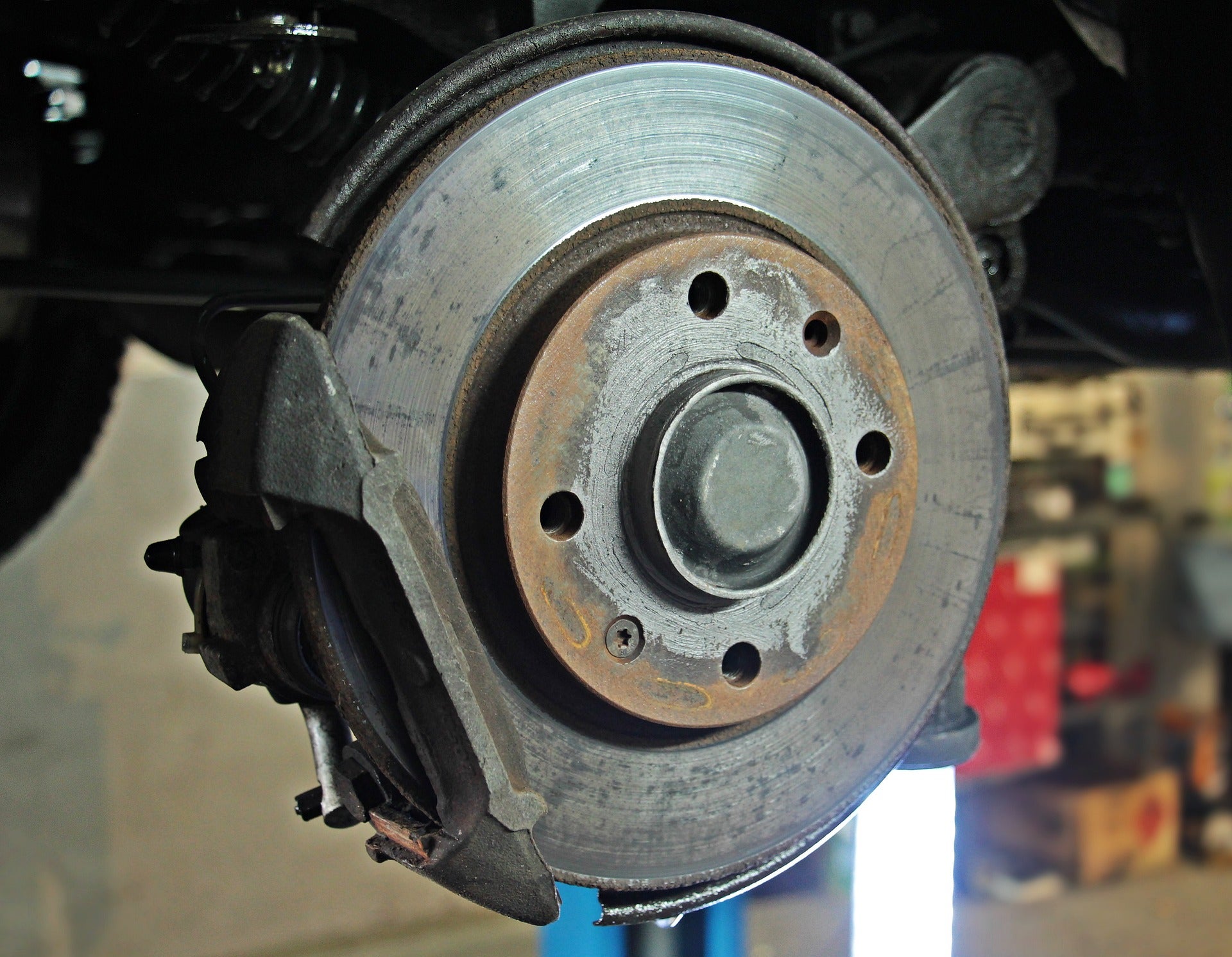
If your brakes have started squeaking, there may be a number of causes. The noise may result from worn-down brake pads, dirt or dust in the mechanism, a buildup of rust, snow or moisture, or something else. Here are a few effective ways to deal with squeaking brakes, and if the problem persists, you can always visit your local Mazda dealership to have it resolved. more Temporary vs Persistent Squeaking Sometimes a little moisture or snow on the brake pads will cause your brakes to squeak temporarily. When the heat of friction evaporates this moisture, the squeaking should also disappear. But if the noise persists, you have a problem that requires a little more attention. Check Your Brake Pads Brake pads bear the lion's share of the work whenever you step on the brake pedal. The calipers clamp the pads onto the rotors, creating friction that stops your car. The upper friction layer of a brake pad may be made from semimetallic, ceramic, or even organic materials bonded together by resin under high temperatures. This friction layer gradually wears down over time. After 30,000 to 80,000 miles of driving, a brake pad will wear so thin that it needs replacing. At this point, a tiny metal tab is uncovered by the diminishing friction layer. This tab is designed to create a high-pitched squeaking sound, drawing your attention so you can buy a new pad. Grease the Brake Touch Points If your brake pads aren't yet worn down, something else is causing the noise. Just as squeaky door hinges can be silenced with a little oil, you might also be able to resolve the squeaking with some brake lubricant. You'll need to remove the brake pads and apply brake lubricant to the metallic rear of the pad and any touch points with the caliper. This usually works for brand-new brake pads, which tend to be squeaky for a while. Make sure you don't get lubricant anywhere near the friction layer or rotor, as this would reduce your brake's traction. Apply Brake Shims Sometimes squeaking and other noises are created by little imperfections in the positioning of the brake pads and rotors. This might problem develop over time as the brakes of your car age. You can often repair this issue by installing brake shims. Shims are thin layers of metal or rubber that fit between the rotors and pads to correct the positioning and eradicate the noise. Replace the Rotor Discs Over time, rotors begin to wear down, albeit much more slowly than brake pads. If a rotor starts to warp out of shape with age and touches the caliper, it can create a squealing sound. The way to resolve this is usually with a replacement rotor. Ask Your Mazda Dealer To Fix It The quickest way to diagnose any brake or car-related issue is usually to ask a trusted technician at your local dealership to look into it. With years of experience, your technician will quickly identify and quieten your brakes, saving you the time and hassle of trying to work it out by yourself. Visit Flood Mazda today to have your brakes repaired. We're a local full-service dealership with a broad range of vehicles and top-notch customer service. Image via Pixabay

A Mazda driving fast

Engine Misfiring? Visit Your Mazda Dealer Today

Engine misfiring occurs when one or more cylinders don't correctly ignite and generate combustion. There are various reasons for this problem, but a misfiring engine needs to be examined and the cause repaired by your Mazda dealer ASAP. If an engine continues to misfire, it will cause a variety of problems, from increased fuel consumption to engine failure. These are some of the reasons for a misfiring engine. more Worn Spark Plugs Combustion is a series of controlled explosions that produce the energy that allows a gasoline-powered vehicle to move. This process requires a precise mixture of air and fuel which is then compressed in the cylinders and ignited by the spark plugs. For this process to work correctly, you must have sufficient air and fuel, and the spark plugs must fire correctly. A spark plug is attached to each cylinder in your engine and ignites the compressed fuel-air mixture at a precise time. Spark plugs can wear out, and they can also be damaged by the failure of other engine components. If a worn or damaged plug doesn't ignite the fuel-air mixture correctly, you'll hear strange sounds from your engine and experience a lurching feeling from the engine. We can easily test your plugs and replace any worn or damaged ones. Failing Alternator Your alternator generates electricity for all your car's systems and components. A new alternator produces more than enough power for your car, but it slowly loses this ability as it ages. After approximately eight years, your alternator may not produce enough power for all your car's systems. When the alternator can't supply enough power for your car, your computer will have to allocate the available power according to the needs of the individual systems. This can result in the plugs not receiving enough power to ignite the fuel-air mixture, and the mixture could burn instead of exploding. Our technicians can test the electrical output of your alternator and install a new one if required. Damaged Intake Manifold Gasket Fuel and air mix in the intake manifold, and they must mix in a precise ratio of 14 parts air to one part fuel. The intake manifold gasket is a seal that fits between the intake manifold and the cylinder heads and prevents contact between the two sections. We routinely examine this gasket and all other gaskets and seals in your engine during your regular scheduled services. If this gasket has become worn or damaged, air will leech into the manifold from the cylinder head. This increases the ratio of air to fuel and will produce a lean fuel-air mixture. This mixture won't have enough fuel to ignite correctly, and this will cause misfiring. We can fix this problem by replacing the gasket. If you're engine misfires, call our service department at Flood Mazda. Image via Pixabay

A Mazda sedan driving

Does Your Mazda Need a New Muffler?

Car mufflers help keep our cities a whole lot quieter than they would otherwise be. Unmuffled engines are extremely loud, and if your muffler ever malfunctions, you'll soon hear the difference. Not only does a bad muffler cause lots of noise, but it also creates engine faults and other problems. The following four warning signs should prompt you to visit your local Mazda dealer for a new muffler right away. more Loud Engine Roaring Sounds As the primary task of an exhaust muffler is to dampen the engine sounds, the first warning sign of a faulty muffler is an excessively loud engine roaring. Your car might suddenly sound like a loud motorcycle. Excessive rusting, cracks in the muffler, cracked exhaust piping, or a leaking manifold gasket might all cause this problem. If the muffler itself is damaged, you might be able to have it repaired by a skilled mechanic. Otherwise, you'll need to have a new one installed. Problems With Your Engine If your muffler becomes somehow blocked, the outflow of emissions is inhibited. This creates a backup of gases and fumes throughout the vehicle all the way to the engine, which might not be able to draw in enough oxygen. This causes the fuel-air mixture inside the combustion chambers to become unbalanced. When starved of oxygen like this, spark plugs start misfiring, which reduces engine power. You'll soon find it harder to accelerate, and you might have reduced fuel efficiency, too. Fouler Smelling Exhaust Although the catalytic converter is mostly responsible for converting toxic car emissions into nicer gases, the muffler also does its fair share of fume cleaning. Because of this, when a muffler malfunctions, you'll often notice a foul smell inside your cabin. This smell is an excess of noxious emissions escaping your exhaust system. It's harmful to breathe these fumes, so have your muffler fixed as soon as possible. Excessively Rusted Muffler The various processes inside your exhaust create condensation and water that drips out of specially designed holes in your muffler. Over time, this water starts to create rust. A little rust on a muffler is no cause for concern, but if the rust becomes excessive enough to damage the muffler's structure, you might need to buy a new one. How Often to Visit Your a Mazda Dealer for a Replacement Muffler A muffler will typically last 40,000 to 80,000 miles of driving. But the humid, salty air of wetter coastal regions tends to take a greater toll on mufflers. So the drivers in Wakefield and elsewhere in Rhode Island might find themselves replacing their mufflers a little more frequently. Have your muffler inspected, repaired, or replaced today at Flood Mazda. We have a wonderful range of new and used Mazda vehicles and a dedication to top-notch customer service. Image via Pixabay

A silver Mazda parked on the road

Advice From Your Mazda Dealer: 5 Possible Reasons Your Car's Engine Warning Light Is Turning On

You're driving along happily in your Mazda3, CX-5, or CX-30, glance down at the dashboard, and your heart skips a beat when you notice the check engine warning light is on. Although an illuminated check engine light should never be ignored, don't panic. Below your Mazda dealer gives five reasons why your car's check engine light is on and what to do about it. more 1. A Loose or Damaged Gas Cap The gas cap seals the gas tank system, maintains proper pressure, and prevents gasoline vapors from escaping. Gas may evaporate or fail to circulate properly when the cap is loose or damaged, triggering the check engine light. Check if the cap is on correctly and see if the check engine light is off. You can purchase a replacement at your dealer if the cap is damaged. 2. Worn or Faulty Spark Plugs Spark plugs ignite the fuel-air mixture to create combustion and power the engine's cylinders. When the spark plugs are worn or faulty and not firing correctly, your engine will misfire, increasing emissions and causing poor engine performance. The check engine light will go on, indicating a problem. By simply asking your Mazda technician to replace the spark plugs, you will immediately notice an increase in your vehicle's performance. 3. A Malfunctioning Oxygen Sensor Your car's oxygen sensor regulates the engine's air-fuel ratio. This sensor measures the amount of oxygen and works with the catalytic converter to ensure that your engine burns the correct amount of fuel and keeps vehicle emissions in check. When the sensor malfunctions, your car will burn more fuel, and your check engine light will go on. Your technician will have to replace the oxygen sensor to sort out the problem. 4. A Faulty Catalytic Converter A catalytic converter, or cat for short, reduces your car's emissions. The cat converts hazardous carbon monoxide and other harmful gasses into carbon dioxide to protect the environment. A faulty cat will cause high fuel consumption, strange odors, increase emissions, and a decrease in your car's overall performance. When the cat is defective or failing, your technician must perform a replacement. 5. A Dirty or Failing Mass Airflow Sensor The mass airflow sensor measures the air to the engine to inject the correct amount of fuel. When the sensor is dirty or failing, it will malfunction and not measure the air in the engine correctly. When the air-fuel ratio is incorrect, it will cause stalling issues, poor gas mileage, and increased emissions, triggering the check engine light. To ensure your car performs optimally, you must ask your technician to replace the mass airflow sensor. Many engine components work together; others soon follow suit when one part fails or breaks. When your car's check engine light goes on, schedule an appointment at Flood Mazda immediately to prevent further damage to your Mazda engine. Image via Pixabay

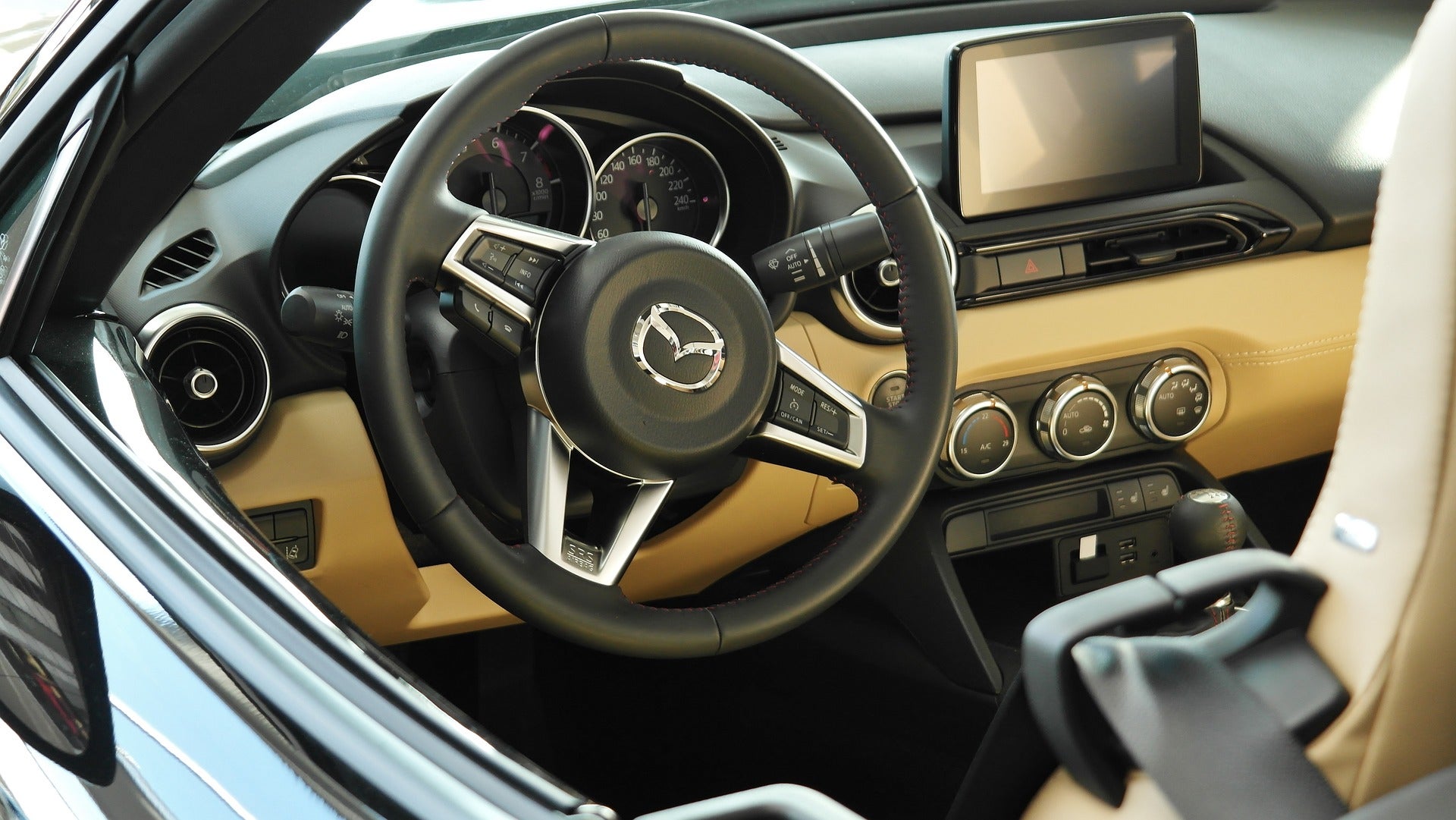
A Mazda steering wheel

5 Things You Can Do to Protect Your Mazda's Car Paint

It helps to protect your resale value and prevents long-term problems, but one of the best benefits of looking after your car paint is being able to drive around in a glossy, high-status vehicle that looks the part. Whether you're taking a DIY approach or thinking of consulting with your Mazda dealer, here are some ideas to keep your paintwork looking polished and pristine. more 1. Wash Your Car Regularly As you drive it, your car picks up a film of contaminants on its surface. From road salt and grit in winter to pollen and bird droppings in summer, these environmental factors will leave your car's paint looking faded, dull, and patchy. And Wakefield's proximity to the ocean means that the corrosive effect of salty air and saltwater puts the paintwork at even more risk. So it's important to wash your car regularly, ideally once a week, to ensure that this grime isn't sticking to your paintwork and potentially causing problems like rust. Use clean cloths and sponges, and a proper automotive cleaner as the soap. Buff it dry when you've finished to reduce the risk of water stains. 2. Apply a Coat of Wax Wax has the effect of topping up your car's clear coat and sealing the paintwork against the elements. You should wax your car at least twice a year, although once every three months will give it a deep and continuous shine. Make sure that you wax after washing your car, as you want to seal the corrosive particles out, not in. 3. Park Your Car Carefully Being mindful of where you park your car can cut down on the punishment that its paint takes from environmental factors. Whenever possible, you want to protect it from the UV rays of direct sunlight, the slight acidity of rainwater, and bird droppings. It isn't always possible to avoid these, but whenever you do you're helping your car to stay glossy and grime-free. 4. Invest in a Car Cover A garage is ideal for overnight parking, but it isn't always an option. If you can't park your car undercover on a regular basis, it's a good idea to research the best car covers to keep your paintwork safe. You need to ensure that you buy one that provides a snug fit and won't scratch the car's surface. A well-chosen car cover is great protection from UV rays, rain, and other environmental contaminants. 5. Ask Your Mazda Dealer Your local dealership will have a variety of professional techniques and resources to keep your car at its glossiest. Whether it's a deluxe valet service, or professional-grade synthetic coating formulas to add that glassy, burnished look, they're sure to have some tricks up their sleeve to keep your paintwork protected. We know how much you love your car, and how much you want to keep it at its best inside and out. For the smoothest engine and shiniest exterior, contact our service department at Flood Mazda and reap the benefits of our expertise and specialist technology. Image via Pixabay

A Mazda vehicle's driver seat

Mazda Dealer's 3 Smart Ways You Can Extend Your Car Lifespan

Your Mazda dealer wants you to enjoy your ride for as long as possible. If you're looking to increase your car lifespan, consider enacting these top tips. more 1. Maintenance Upkeep Maintaining your vehicle's service schedule is an important preventive step. These schedules are developed by professionals with a deep understanding of how your specific car works and when it needs some tender loving care. Much like people benefit from annual physicals, service appointments are a good time to let the experts check the health of your vehicle and prescribe any “medicines” it may need, like oil changes. Your vehicle will also thank you if you pay prompt attention to any problematic symptoms it may be showing. The check engine light and other dashboard alerts are made for this purpose, so do not let a potential issue linger and perhaps worsen. It also pays to keep your auto clean and pristine with washing and waxing. Cleanliness helps curb corrosion and rust that can wear your vehicle down inside and outside. 2. Parts Protection Some components of your vehicle are more vulnerable to extensive damage, such as the engine and the tires. You can better safeguard your engine by using a fuel injector cleaner to prevent dirt and grime buildup. And when temperatures get cold, allow the engine to warm up for a bit before you begin driving. This simple step can improve oil circulation and the engine's energy capacity. In addition, if you can avoid taking long and excessive trips, journeys with frequent stops and starts, and drive at an extensively high speed, your engine will benefit. Keeping a keen eye on tire wear and pressure is also helpful in prolonging some of the most used and abused components of your car. Alignments and suspension checks are worthwhile endeavors too. 3. Safety Suites The above steps have primarily focused on the chronic health of your car, but what about those acute accidents that can bring its life to a quick and unexpected end? Fortunately, modern vehicles are more equipped now than ever before to address these potential problems. Today's driver-assist systems come with a full roster of features meant to shield you and your ride. Mazda's i-ACTIVSENSE Safety Technology, for example, includes the following security aids: blind spot monitoring, radar cruise control with automatic stop-and-go, rear cross-traffic alert, smart brake support, and lane-keep assist. This revolutionary tech is found on models from the CX line to the Mazda 3. Add in the SKYACTIV Mazda engineering model, with its more fuel-efficient engines and stronger bodies and chassis, and you have auto marvels made to last. Provide your ride with the best insurance around. Contact the service department of Flood Mazda and speak with dedicated technicians you can trust. Image via Pixabay

oil change

What Services Do You Get With an Oil Change at the Dealer?

We make your safety and comfort our priority at Flood Mazda. We pledge to support our customers and ensure that their cars are in tip-top condition and running smoothly. So, whenever you bring your vehicle into our Mazda dealer for an oil change, expect to receive the VIP treatment. Not only will we change your oil, but we'll treat you to an amazing package that will extend the life of your car and give you peace of mind. more What Services Do You Get With an Oil Change at Our Mazda Dealer? Assessment and Fluid Checks When you first arrive at Flood Mazda, our expertly trained service team will assess your vehicle's mileage and condition to determine what kind of oil your car needs. We have conventional, synthetic blend, full synthetic, and high mileage options, and our team knows what's right for you. While at it, we check all your fluids and top them up to keep your car running optimally. We check and change your transmission, power steering, and brake fluids, as well as your coolant. If we find a leak in one of your systems, we will discuss your repair options with you and give you our best recommendation. Filter Replacement We know that dust and other contaminants start to build up in the engine over time, so every time we change your oil, we also give you a new filter. This ensures the oil can work efficiently and extends your engine's life. General Tweaks When you come in for an oil service, you can rest assured that we will also check all the essentials. We will inspect and optimize your: Taillights, brake lights, and headlights Cabin filters and air filters Tire tread and pressure Hoses Steering Undercarriage Skid plates Suspension Wipers and wiper fluid More Convenient Timing We know that it can be difficult to take time out of your busy work schedule to come in and get your oil replaced, so we have made it easier for you. We have extended our hours and you can now stop by between 8am and 7pm during the week, and on Saturdays between 8am and 5pm. If you don't have a ride, let us know and we can organize a shuttle for you. Oil services can be scheduled on our website. How Do I Know if I Need an Oil Replacement? If you hear a suspicious knocking sound, see smoke pouring from your exhaust, smell oil in the cabin, or your engine seems to be getting louder, you may need to change your oil. Depending on the roads in your area, what model you drive, and how old your car is, you should generally aim to change your oil every 3,000 miles. As you can see, Mazda loves going the extra mile for valued customers. Are you ready to book yourself in for a change of oil? Visit us at Flood Mazda! Our skilled service technicians are ready to give your car the special attention it deserves. Image by Alexander Fox | PlaNet Fox from Pixabay

car title

What Is Your Car Title and Why Is It Important?

When you buy a car at your Mazda dealer, you are issued a car title, commonly called a pink slip, by the Department of Motor Vehicles in the state where the car was purchased. Until the vehicle is fully paid for, you cannot be issued a certificate of ownership of the vehicle. Your certificate of ownership carries essential information about you and your car, and such information must be kept updated and accurate at all times. more What Is Your Car Title? Your vehicle title proves that you own the vehicle you drive, and the title must be replaced immediately if you lose it. Fortunately, you can avoid the hassle of keeping paper-based title certificates if your state offers electronic titles. The certificate holds the following information: Your name Make of vehicle Model of Vehicle The weight class of vehicle Vehicle identification number (VIN) Odometer reading Date of sale Lender's information Names and addresses of the seller and buyer Types of Titles When you see a car with a clean and clear title, it means the vehicle has no record of any significant damage and repair or recall by the manufacturer. In addition, a clear title indicates the car possesses no financial burden, preventing the vehicle from being sold. A vehicle with a branded title has a history of serious problems, including inaccurate odometer readings or severe damage from accidents, which has rendered the vehicle a total loss. It is also important to avoid buying cars across state lines because they sometimes hold titles that have been washed of important information. Why Is Your Title Important? 1. Proof of Ownership The vehicle title is evidence that you are the vehicle owner, so keep it safe at all times. If you need to replace the title, go to your local DMV office, fill out the forms, and pay the required fee. Fees vary by state. 2. Transfer of Ownership You need the vehicle title when you buy or sell a vehicle. The seller signs the title and releases ownership to the buyer, who then goes to the local DMV office with the required documentation to be issued a new title of ownership. If you buy a new car from your Mazda dealer, all the paperwork is done by the dealer, and you receive your title in the mail. 3. Registration of Vehicle Registration is required by the state before a license plate and sticker can be issued. The original title is required to complete this process. 4. Vehicle Insurance In normal circumstances, you must show at least part ownership of the vehicle to be insured, depending on the insurance provider's requirements. It is crucial to have your vehicle title as major activities like buying, selling, registering, and insuring a vehicle require a title. Stop by Flood Mazda today and drive off with your new car while we take the paperwork burden off your hands. Image by Edar from Pixabay

vehicle motor

6 Signs You May Need to Replace Your Engine

On average, your Mazda engine can last 200,000 to 300,000 miles or even longer with regular maintenance and oil changes. It doesn't matter how strong your Mazda's engine is; it's not invincible, and there may come a time when you'll have to replace your engine at your Mazda dealer. Below are signs when it's time for an engine replacement. more 1. Your Car Is Constantly Overheating Excessive heat could cause the engine block to crack, which is unrepairable. If you struggle with overheating issues all the time, even after a thorough cooling system check and the necessary repairs, you might have to replace your engine. 2. Your Car Has Performance Issues Many different issues could cause affect your car's performance. If you struggle with a loss of power and your car feels slow when you step on the accelerator, your engine idles roughly, and it's hard to start your vehicle, it spells engine trouble and a possible engine replacement. 3. You Hear Frequent Knocking Noises Knocking noises from under the hood means you've got major engine trouble. The bearings support the motion of the moving parts. Worn bearings will eventually seize, causing extensive engine damage. Your engine will need a rebuild or a replacement. 4. Smoke Pours Out of Your Tailpipe Excessive smoke from your tailpipe means trouble is brewing under the hood. If you see a lot of thick, blue, or black smoke pouring out of your exhaust, oil or gas is leaking onto your engine. If gas enters the combustion chamber or an oil leak causes reduced lubrication, you'll see dark smoke. If the smoke is white, it could be from a coolant leak which will cause overheating. If you leave it too long and don't get the problem repaired, your engine will suffer irreversible damage. 5. There Are Metal Shavings in the Oil Many metal parts work together to run your vehicle. The fluids in your car lubricate the moving parts to reduce friction. If you or your Mazda technician find metal shavings in your car's engine oil, it's a sign that the engine components are worn down. The parts are beginning to disintegrate, releasing metal shavings into the oil that flows through the engine. Once this happens, it won't be long before your engine stops running. 6. Your Check Engine Light Is On Various issues will trigger your car's check engine light. When you notice the light is on, act immediately. The longer you wait before you get your car to your technician for an engine diagnostic and repairs, the worse the problem will get and the higher the repair or replacement cost. If you're struggling with any of these engine problems, contact Flood Mazda immediately. The qualified Mazda technicians will assist you with an expert engine replacement. Image by PIRO from Pixabay

Flat tire

What to Do When You Get a Flat Tire

Whether you're on your way to work or enjoying a pleasure cruise in your Mazda 3 or CX-50, a flat tire is always a colossal inconvenience. Below your Mazda dealer tells you precisely what to do when your car has a flat. more Pull Over in a Safe Place The moment you notice you've got a flat find a safe spot next to the road and pull over away from the traffic. The longer you drive on the tire, the more you will damage it and destroy any chance of repairing the tire. Turn on your hazards to be more visible to other road users. Put your car in park, or if it's manual, shift into reverse to minimize the risk of rolling forward or backward while changing the tire. You are covered by 24-hour roadside assistance if your Mazda is under warranty. Call us, and we'll change your tire for you. Loosen the Lug Nuts If you want to change the tire yourself, open your trunk and get the jack, lug wrench, spare tire, and if you have them, wheel wedges out. Use the wheel wedges or stones in front of and behind the tires to prevent our car from rolling. Now, loosen the lug nuts with the wrench, but don't remove them. Jack Up Your Car Place the jack in the jacking points underneath your car closest to the tire that needs changing. Jack your car up just enough to remove the wheel. You can take the nuts off completely and keep them in your pocket to avoid losing them. Take the tire off and put it under your car to protect your vehicle if it slides off the jack. Mount the Spare Tire Line the rim of the spare up with the lug bolts and push the tire inward until you see the lug bolts poke through. Fit the nuts onto the bolts and with your hand, turn them as tightly as possible with your hand. You will use the lug wrench later for the final tightening. Lower Your Car Lower your car until the spare is just touching the ground. Now you can use the lug wrench to tighten the nuts in a clockwise direction. If you've got five nuts, tighten every other one. If there are four nuts, tighten them in opposing pairs. Jack the car down until the wheel is on the ground, remove the jack and give the nuts a final tightening. Spare tires are not designed for long distances, and it's best not to drive with them for more than 50 or 60 miles. Unless you have a full-size spare, get your car to Flood Mazda as soon as possible to get the tire fixed or, if it's beyond repair, replaced. We stock a wide range of quality tires, and our qualified Mazda technicians will mount your new tire expertly. Image by Christian Bollow from Pixabay

Contact Us

Fill out this form below and we'll contact you shortly
*Required Fields