Blog / Wakefield Mazda Service

5 Common Signs You May Be Having Transmission Problems

Transmission diagram

Transmissions are an integral component of your vehicle and are something that needs to be monitored and maintained on a regular basis. Your transmission is in constant use, so wear and tear are inevitable. There are certain things you might be able to do on your own like replacing transmission fluid and changing filters, but the best way to avoid transmission problems is to have it regularly serviced at the suggested milestones at your Mazda dealer.

1. The Warning Light Is On

Your ‘check engine' light could mean a number of things, including problems with your transmission. Newer vehicles may even have advanced technology that can alert you to specific problems such as your transmission. It's always a good idea to get a diagnostics test when this light comes on, and if it comes on with some of the other symptoms listed below, there's a good chance that there's a problem with your transmission and it's time for service.

2. It Is Leaking Fluid

Your transmission fluid should remain constant. It does not burn off and decrease like motor oil, rather, it needs to be flushed sometimes. You can check your transmission levels with a dipstick to make sure that your level is not decreasing. If you notice that it's not reaching the correct line on the dipstick it could be a sign of a leak. Also, if you notice any bright red pooling on the road beneath your vehicle, it's most likely transmission fluid.

3. There Are Burning Smells

Burning smells from your vehicle could be a variety of things including oil, tires, belts, and even transmission fluid. If the burning smell is a result of the transmission, you will notice a slightly sweet and distinct smell. This tends to happen when the fluid's consistency degrades to a thinner state and gets burnt up, which can cause more significant damage to your engine. You'll want to get this checked out at soon as possible.

4. It's Making Strange Noises

Like most things on this list, strange noises can mean a few different things. If it's related to the transmission, it will usually occur when you are shifting gears. If you have a manual transmission this can happen over time if you change gears haphazardly. With an automatic, you might notice a grinding noise when the vehicle is shifting gears. The transition will not feel as smooth as it normally does, and you could feel a jolt.

5. Slow Response Time When Switching Gears

If you notice anything out of the ordinary, such as lag time or slow response time, in regard to performance when changing gears, there could be a problem with a worn-out clutch or gear. You know your car best and if there is anything abnormal happening when your car switches gears, it's usually a tell-tale sign of a problem with the transmission.
If you find any of the above symptoms familiar to your vehicle, don't hesitate, schedule an appointment today at Flood Mazda and let our certified professionals have a look.

Posted in:

Related Posts

A red SUV parked outside

7 Services Offered by Your Mazda Dealer

You need your vehicle in good condition to keep your life running smoothly. As your Mazda dealer, we work tirelessly to provide award-winning Mazda service to keep you and your family safe on the road. more Routine Maintenance An oil change is the most common service in routine maintenance for your Mazda and should be scheduled every 3,000 miles unless advised otherwise by your service technician. That's not all that will be taken care of when you bring your vehicle in for service. Routine maintenance also includes checking air filters, inspecting fluids, belts, and hoses, as well as checking your brakes and battery. Brake Service Brake service involves both inspections and repairs. Brake inspections include checking your front and rear brakes, brake fluid, parking brakes, rotors, and drums. An inspection should be completed every 12,000 miles. Tire Rotation Service Your tires should be rotated every 5,000 to 10,000 miles, depending on how much you drive. This can be taken care of during a scheduled oil change. Our technicians will also visually inspect your tires for damage and wear and tear. Battery Service On average, your Mazda's battery can last anywhere from two to five years. While our cold Rhode Island winter may shorten the life of a battery, regular checks during routine maintenance can help it last longer. When your battery needs it, our service department can replace it. Transmission Service Most owners worry about their transmission as their vehicle ages. Our service techs can help your Mazda last as long as possible with transmission service. Transmission flushes are the most common service you'll need during the life of your vehicle and should be done every 60,000 to 100,000 miles for automatic transmissions. Collision Service No matter how well you keep up with routine maintenance and necessary repairs, an auto accident can take a toll on your vehicle. Our collision service center is designed to get you back on the road in good condition. We can also help you through the insurance claim process. Digital Mazda Service We know your life is busy, and you don't always have time for phone calls, let alone inspections and maintenance. Our digital service allows you to schedule appointments online, take advantage of video inspections, communicate through text and email, and make mobile payments. Contact us today at Flood Mazda in Wakefield, RI to schedule service for your vehicle. Image via Mazda

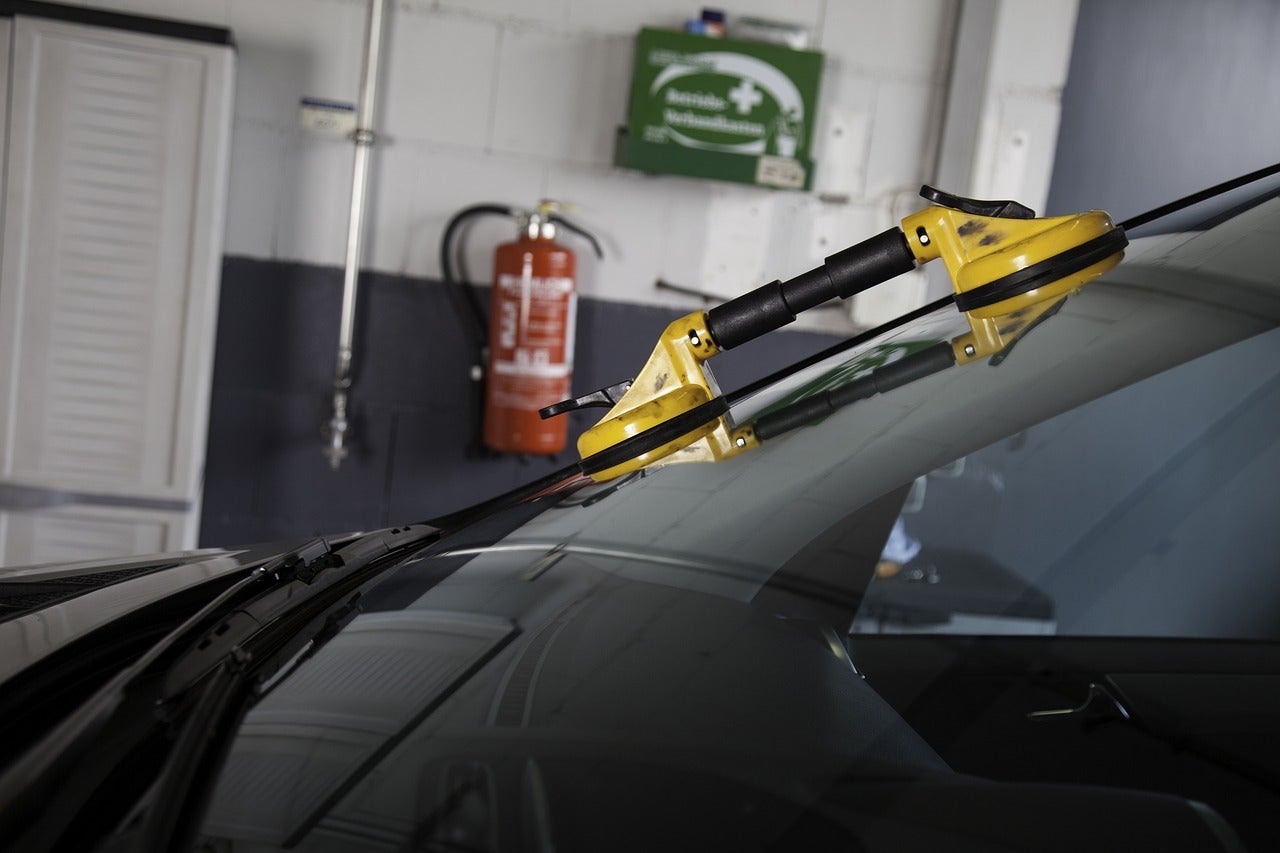
A windshield being fixed in an auto shop

Getting a Windshield Repair for Your Mazda

A crack in your windshield may seem like a small issue, but even a tiny crack can create big problems in the future. Depending on the location of the crack, the size of the damage, and the time of the year, damage to your windshield can rapidly spread and make it unsafe to drive on the road. It's best to schedule service at your Mazda dealer as soon as possible to ask about windshield repair. more Technicians have a few ways of repairing windshields. Sometimes, small cracks and scratches on the glass can easily be repaired with a small kit. Other times, the damage is extensive enough to require total windshield replacement. Only an expert will be able to tell you the extent of your damage. The problem with chips and cracks in your windshield is how quickly these small spots of damage can spread. In cold weather, water can freeze into cracks and cause the cracks to expand. Water on a chipped windshield can also damage the protective layer on the glass and make the damage worse. Turbulence on the road can also make chips spread more quickly. What Should You Do Until Your Repair Appointment? Until your repair appointment, your goal should be to prevent the crack in your windshield from spreading any further. One of the easiest ways to temporarily seal a crack is to apply clear packing tape to the inside and outside of the windshield. The tape will act as a water seal and hold the crack together until you can get to a repair specialist. How Soon Should You Visit Your Mazda Dealer? If you have any damage to your Mazda, you should schedule a repair appointment as soon as possible. Your dealership is fully stocked with genuine parts to ensure a perfect repair every time. For example, after your windshield is repaired, you may need to replace your windshield wipers or top up windshield wiper fluid. Sometimes, if your windshield is damaged from a small impact, the hood or side of your car may have been dented, too. In this case, it's a good idea to schedule an appointment at your dealership's collision center. A Mazda collision repair center can remove dents, correct paint scratches, or even apply a glossy, protective coat over your Mazda for a perfect finish. A crack or chip in your windshield can make it hard to see the road clearly. To optimize your safety on the road, you should schedule a repair service for your windshield as soon as possible. It's also a good idea to visit your dealership to fix other small areas of damage if your windshield was cracked in an accident. Contact Flood Mazda to book an appointment at the service center or collision repair center today. Image via Pixabay

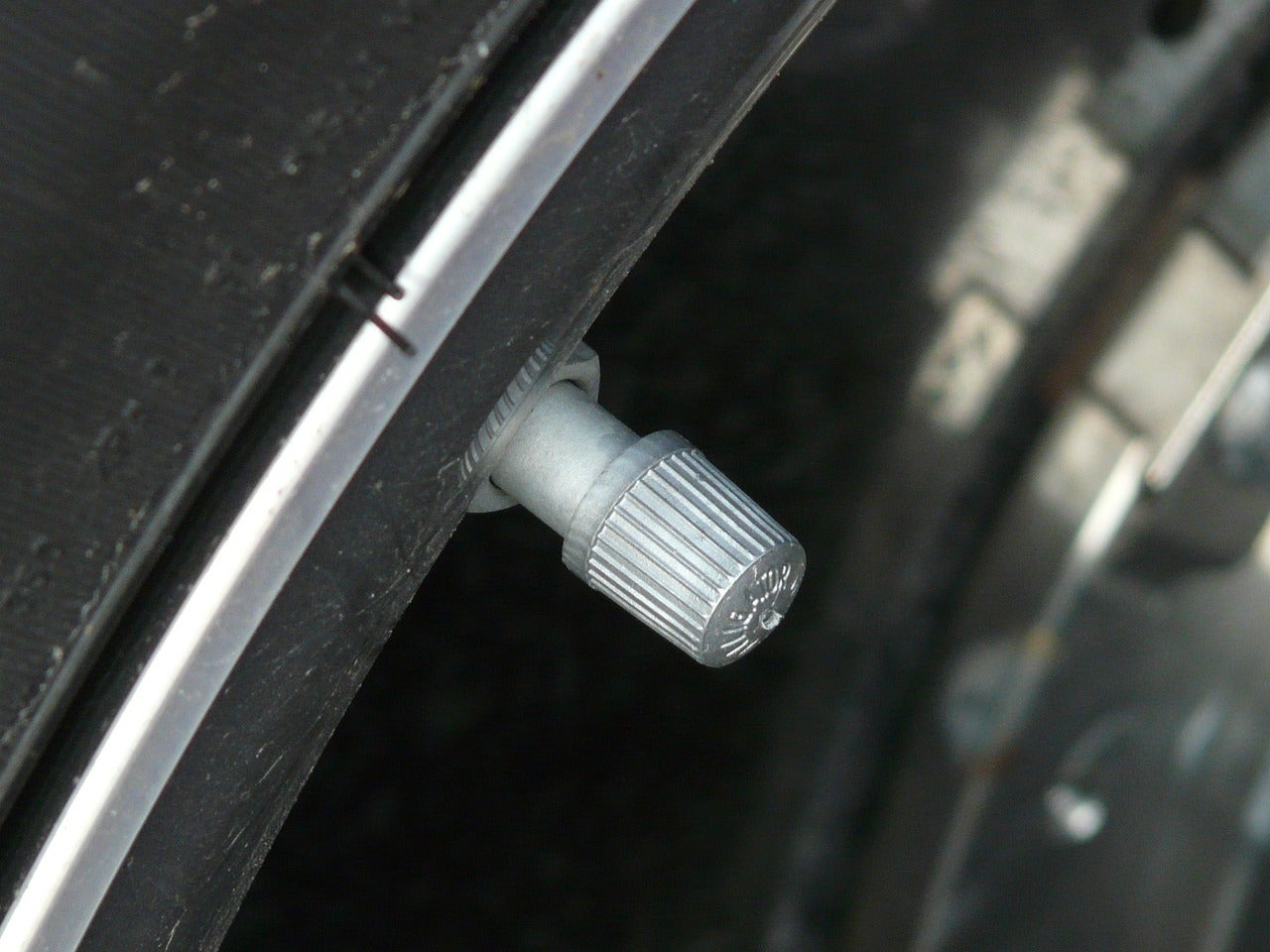
A close up of a tire

Advice From Your Mazda Dealer: How To Fix Low Tire Pressure

Low tire pressure increases wear and tear on your tires and will cause your tires to fail sooner than they should. The key to keeping your tire pressure constant is to check it regularly. As your Mazda dealer in Wakefield, RI, we want to tell you more about how to test for a tire pressure problem and fix it. more How Do You Know You Have Low Pressure? Your Mazda has a Tire Pressure Monitoring System (TPMS). Sensors in the tires will detect low pressure, and this information will be sent to your car's computer. The computer then illuminates the TPMS light on your dash. It's unlikely that you'll identify a low-pressure tire simply by looking at it. If the TPMS light illuminates, or you want to test the pressure in your tires, these are the easy steps to follow: Buy a Tire Pressure Gauge A tire pressure gauge allows you to check the pressure in your tires. You can use the pressure gauges in a gas station, but they can be unreliable as they are not regularly calibrated. There are two main types of tire pressure gauges: digital and manual. They will both give you an accurate reading, and the choice between pressure gauges depends solely on personal preference. Check Your Correct Tire Pressure The correct tire pressure for your tires is marked in two places. You can find this information in your car manual, and it is also on a plate inside the front passenger door jamb. Your tire pressure will usually vary between the front and rear wheels, depending on whether your car is FWD, RWD, or AWD. Once you have the correct tire pressure for all your tires, write them down to make it easier to determine if one or more of the tires is low. Check the First Tire Choose one of the tires and remove the tire nozzle cap. This cap can be easy to lose, so put it in a safe place. Connect your tire pressure usage to the nozzle, and the gauge will display the tire pressure on a metal slide of a digital readout. Write the tire pressure down and replace the cap. Check Remaining Tires Repeat this procedure for your remaining tires. It's also advisable to check the pressure in your spare tire to ensure it's correctly inflated if you need it. Once you've checked all your tires, you'll need an air pump to correct the low pressure in your tires. A tire could be low for several reasons, including a damaged tire nozzle, a crack in the tire, or a pressure equalization between the tire and the air surrounding it. We can test your tire pressure for you, and repair a leaking tire or replace it. Call our service department today at Flood Mazda. Image via Pixabay